Featured

U.S.–Iran Strikes Escalate: What It Means for Your Gas Bill and Savings

  ⚡ BREAKING · MAY 8, 2026 By MoneySavings.ca Editorial Team   |  May 8, 2026  |  5 min read The Strait of Hormuz, photographed from space. Approximately 20% of the world's oil supply passes through this narrow waterway. (Image: NASA / Public Domain) American warships were attacked in the Strait of Hormuz on May 7, 2026 — and the U.S. military fired back hard, striking Iranian ports at Qeshm and Bandar Abbas. For Canadians, this isn't just a distant war story. It's a pocketbook issue. 20% of global oil transits the Strait of Hormuz every day $94 projected WTI crude price per barrel if closure continues (CEPR, 2026) 5% of normal shipping traffic still moving through the Strait What Happened — and When The crisis didn't begin overnight. On February 28, 2026, the United States and Israel launched coordinated strikes against Iran, targeting nuclear infrastructure and senior military leadership — including Supreme Leader Ali Khamenei, who was killed in the strik...

article

Israel Intensifies Strikes across Gaza, Orders New Evacuations in North


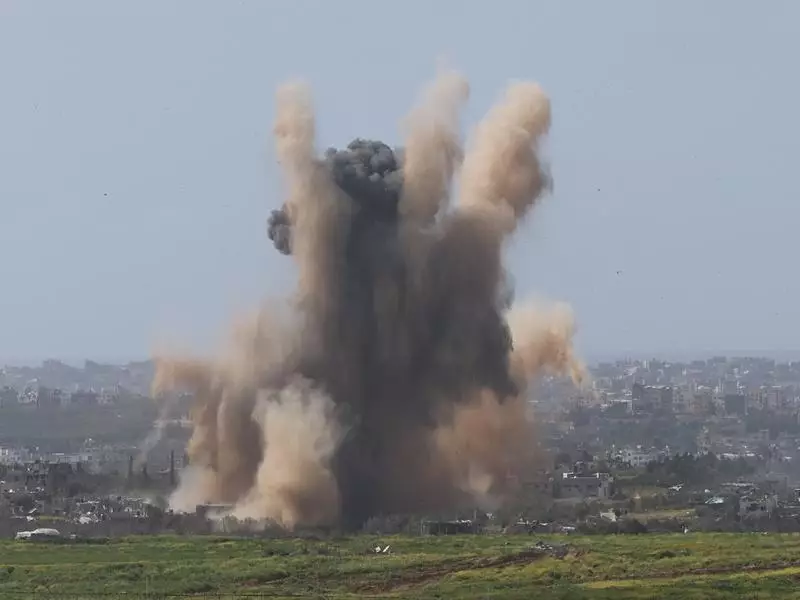
Israeli strikes have intensified across Gaza on Tuesday, with some of the heaviest shelling in weeks, according to residents. The army has ordered fresh evacuations in the north of the strip, warning civilians that they are in a “dangerous combat zone” . The situation remains tense as air strikes and shelling continue in central and southern areas. Here are the key points:
  1. Intensified Attacks: Israeli forces have escalated their attacks, using both air strikes and tank shelling. Residents report almost non-stop bombardments in various areas of Gaza.

  2. Evacuation Orders: The Israeli army has urged residents in four zones near Beit Lahiya (on Gaza’s northern edge) to move to designated shelter areas. The military emphasizes its intention to act with “extreme force against terrorist infrastructure and subversive elements” in the region.

  3. Failed Ceasefire Efforts: Despite previous announcements of troop withdrawal from certain areas, efforts to reach a ceasefire have failed. Displaced Gazans find it challenging to return to their abandoned homes due to ongoing Israeli bombardments.

  4. Hamas’s Response: The armed wing of Islamic Jihad, allied with Hamas, claims responsibility for rocket attacks on two southern Israeli border towns. The conflict has displaced nearly all of Gaza’s 2.3 million people, and Hamas remains steadfast in its demands for a permanent end to the war and the return of displaced individuals to the north.

  5. Ongoing Conflict: The situation remains volatile, with thick black smoke rising in northern Gaza. Shelling continues in various areas, affecting schools and causing panic among displaced residents.

As the conflict persists, the region faces immense challenges in achieving peace and stability.

Comments