
Canadian Money Brief | October 19, 2026 CFB Wainwright Fire: What We Know and How to Help Without Getting Scammed Four Canadian soldiers are dead and 39 people were hurt after a grass fire overtook a live-fire training exercise in Alberta. When tragedy hits, Canadians want to help. Scammers know it. What happened On Saturday, October 17, a fire ignited in a training area at Canadian Forces Base Wainwright, about 200 km southeast of Edmonton. Officials say it began as a grass fire during training that included grenades and live ammunition. Military leaders said the fire was known to range control for hours and was believed to be contained enough for training to continue. Then the wind turned. Reporting from Al Jazeera and ABC News describes gusts jumping from about 50 km/h to as high as 96 km/h, pushing the flames toward soldiers and their administrative area. Defence officials said 84 members of the Princess Patricia's Canadian Light Infantry were in the training area. Four servi...
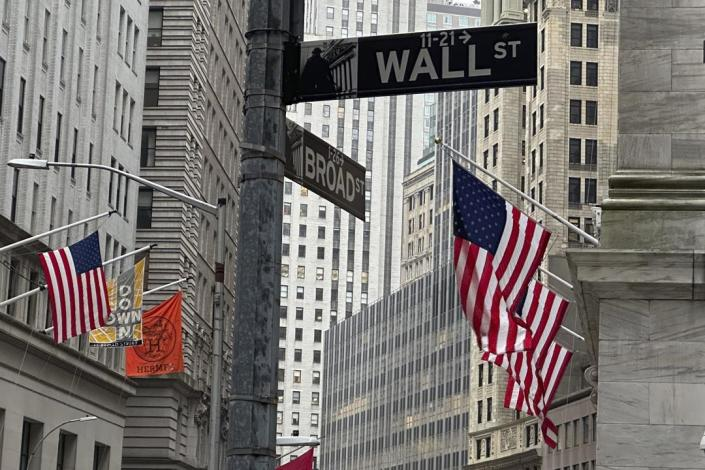
On April 11, 2024, the stock market witnessed a remarkable turnaround as the “Magnificent 7” tech stocks flexed their muscle. These seven powerhouses—Apple (AAPL), Amazon (AMZN), Tesla (TSLA), Nvidia (NVDA), Microsoft (MSFT), Meta (META), and Alphabet (GOOGL)—led the charge, propelling major indices upward.
- The S&P 500 halted its three-day slide, surging nearly 1%.
- The tech-heavy Nasdaq Composite outperformed, gaining approximately 1.7%.
- The Dow Jones Industrial Average posted a more modest advance, rising about 0.3%.
- Meanwhile, the 10-year Treasury yield steadied around 4.56%, after a surge to its highest level since November.
The inflation debate rages on, with an influx of data influencing the Federal Reserve’s stance. Rabobank Senior Cross-Asset Strategist Christian Lawrence suggests that the traditional 2% inflation target may no longer be suitable. Structural shifts, including reglobalization and domestic production, challenge the status quo. As shelter inflation remains persistent, the Fed faces complex decisions.
Producer Price Index (PPI)
- Inflation concerns eased slightly: March’s PPI rose 0.2% from the previous month, below economists’ forecasts.
- Year-over-year growth stood at 2.1%, signaling the fastest jump in producer prices in nearly a year.
Tech Titans Rally
The “Magnificent 7” played a pivotal role in the rebound:
- Apple and Nvidia surged over 3%.
- Amazon hit a new intraday record high, gaining more than 1.5%.
- These tech giants defied Wednesday’s CPI-fueled sell-off, reaffirming their influence on market dynamics.
As investors recalibrate their expectations, the stock market dances to the rhythm of innovation, inflation, and resilience. Stay tuned for further twists in this captivating financial saga.


Comments
Post a Comment