Featured

The Subway That Took a Generation: Why the Eglinton Crosstown’s Delays Were Even Worse Than You Think

  Toronto has a long history of transit projects that drag on, but the Eglinton Crosstown LRT has become the city’s defining example of how complicated, political, and painfully slow building transit can be. Most people think of the project as something that started in the early 2010s and simply ran over schedule. The truth is far messier—and stretches back decades. A Project With Roots in the 1990s Long before shovels hit the ground in 2011, the idea of rapid transit along Eglinton was already alive. In the mid‑1990s, the TTC began digging tunnels for what was then called the Eglinton West Subway . Construction actually started—tunnels were being carved out under the street—until the project was abruptly cancelled in 1995. The partially built tunnels were filled in, and the corridor sat untouched for years. That early false start meant that by the time the Crosstown was revived as part of the Transit City plan in 2007, planners weren’t starting fresh. They were restarting a dr...

article

Canada Imposes Sanctions on Extremist Israeli Settlers in the West Bank


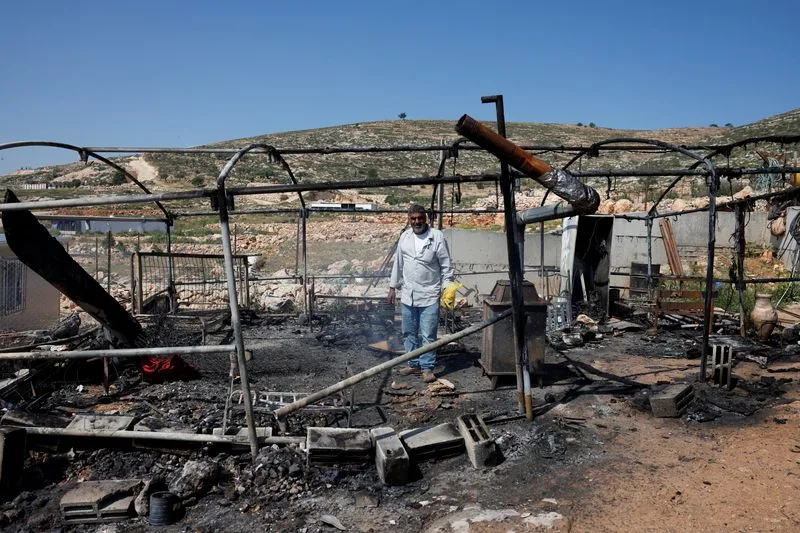
 In a significant move, Canada has imposed sanctions on individuals accused of engaging in violence against Palestinian civilians and their property in the West Bank. These are the first-ever sanctions targeting extremist Israeli settlers under the Special Economic Measures Act. The escalating violence by extremist settlers has undermined human rights, prospects for a two-state solution, and regional security. Since October 7, 2023, there have been at least 800 settler attacks against Palestinians, resulting in verbal or physical assaults, property damage, and forced displacement of communities.

The Sanctioned Individuals:

  1. David Chai Chasdai
  2. Yinon Levi
  3. Zvi Bar Yosef
  4. Moshe Sharvit

These individuals are now prohibited from dealings related to Canada and are rendered inadmissible under the Immigration and Refugee Protection Act. Canada remains committed to a comprehensive, just, and lasting peace in the Middle East, opposing the expansion of illegal settlements in the West Bank and East Jerusalem.

Foreign Affairs Minister Mélanie Joly emphasized that acts of extremist settler violence are unacceptable, and perpetrators will face consequences. The rise in violence poses significant risks to peace and security in the region, affecting families forced to leave their homes due to threats by extremist settlers.

Canada’s stance aligns with the Geneva Convention, which applies in the occupied territories and establishes Israel’s obligations as an occupying power regarding the humane treatment of inhabitants. While other countries like the U.S., U.K., and EU have also taken measures against violent Israeli settlers, Canada’s recent sanctions represent a crucial step in addressing this ongoing violence.

As the situation unfolds, Canada continues to advocate for a peaceful resolution and justice for affected communities in the West Bank.

Comments