Featured

Trump and Zelensky Tout Progress Toward Peace Deal Despite Major Sticking Points

   U.S. President Donald Trump and Ukrainian President Volodymyr Zelensky hold a press conference after their lunch meeting at Trump's Mar-a-Lago club. Former U.S. President Donald Trump and Ukrainian President Volodymyr Zelensky struck an optimistic tone after meeting in Florida, suggesting that negotiations toward a potential Ukraine‑Russia peace agreement are nearing completion. Trump described the talks as “very close,” while Zelensky said the two sides had aligned on the majority of key issues. The meeting followed Trump’s recent call with Russian President Vladimir Putin, which he characterized as constructive. Zelensky emphasized that the discussions were productive and that both leaders share a desire to accelerate the path toward ending the conflict. Despite the upbeat messaging, significant obstacles remain. Unresolved issues reportedly include territorial questions, long‑term security guarantees for Ukraine, and the sequencing of troop withdrawals—topics that hav...

article

Israel’s Intensifying Military Operation in Rafah Sparks International Concerns


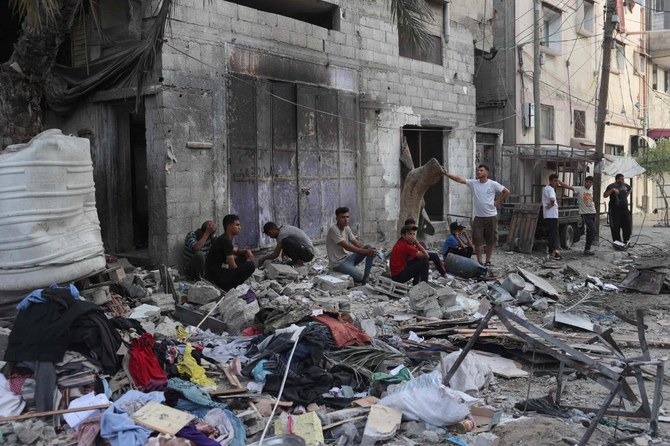
In a recent escalation of conflict, Israel has intensified its military operation in the southern Gaza city of Rafah. Despite U.S. warnings about the risk of mass casualties, Israeli forces have pushed forward, bombarding towns in the north of the Strip and vowing to broaden their ground operation in Rafah. Here are the key points:

  1. Intensified Conflict: Israeli forces have made a new push in central Gaza, leading to intense battles in Jabalia, a northern Palestinian enclave. At least 23 people have been killed in the latest fighting.

  2. Rafah’s Importance: Israel considers Rafah, located on Gaza’s border with Egypt, as Hamas’ last stronghold. The city has become a focal point of the conflict, with hundreds of thousands of displaced Palestinians seeking shelter there.

  3. International Concerns: Western powers are deeply concerned about the humanitarian situation in Rafah. Despite Israeli assurances, civilians have been caught in the crossfire, and the United Nations estimates that over 810,000 people have fled the city since the conflict escalated.

  4. Allies at Odds: Israel’s plan for an all-out assault on Rafah has strained its relationship with its main ally, the United States. Washington even held up a weapons shipment due to fears of large civilian casualties.

  5. Prime Minister’s Stance: Israeli Prime Minister Benjamin Netanyahu has vowed to press ahead with sending troops into Rafah, rejecting international pressure. He emphasized that Israel is determined to realize its war aims, regardless of the risks.

The situation remains tense, and the world watches closely as the conflict unfolds. The fate of Rafah and its civilian population hangs in the balance.

Comments