Featured

Tehran Rocked by Renewed Israeli Strikes as Iran’s Leadership Council Assumes Control

  A woman reacts as she holds a placard with an image of Iranian late Supreme Leader Ayatollah Ali Khamenei, at a rally in solidarity with Iran after U.S. and Israeli strikes killed Ali Khamenei, in Beirut, Lebanon. Israel has launched another wave of airstrikes on Tehran, intensifying a rapidly escalating regional crisis just one day after the assassination of Iran’s Supreme Leader, Ali Khamenei. According to multiple reports, Israeli officials said the renewed strikes were intended to maintain air dominance as Iran faces its most significant leadership vacuum in decades.  The power void left by Khamenei’s killing has prompted Iran to activate a leadership council to stabilize governance. Inside the country, reactions have been sharply divided—some mourning the long‑time leader, others openly celebrating his death, revealing deep internal fractures.  The military confrontation has widened beyond Iran’s borders. Iran has retaliated with missile barrages targeting Israe...

article

Israel’s Military Announces Tactical Pause to Facilitate Aid Delivery in Southern Gaza


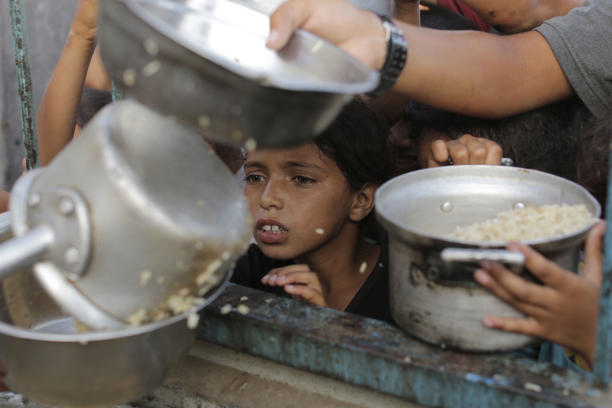
In a significant move, Israel’s military declared a “tactical pause” in its offensive operations along a 12-kilometer route in the southern Gaza Strip. The purpose of this pause is to allow for the delivery of increased quantities of humanitarian aid to desperate Palestinians who have been enduring a severe crisis due to the ongoing war. The announcement came after discussions with the United Nations and international aid agencies.

Key Points:

  • The pause begins at 8 a.m. (0500 GMT) and lasts until 7 p.m. (1600 GMT), continuing until further notice.
  • It specifically applies to the Rafah area, allowing aid trucks to reach the Israel-controlled Kerem Shalom crossing, a crucial entry point for aid.
  • The bottleneck at Kerem Shalom resulted from Israeli ground troops moving into Rafah earlier this year.
  • While this pause falls short of a complete cease-fire, it aims to address the overwhelming needs of Palestinians in the region.
  • The international community, including Israel’s top ally, the United States, has been advocating for more substantial measures to alleviate the crisis.
  • The hope is that smoother operations at checkpoints and regular fuel entry will follow this initial step.

As Muslims begin marking the major Eid Al-Adha holiday, this humanitarian effort seeks to provide much-needed relief to those affected by the conflict. While challenges remain, the pause represents a crucial step toward easing the crisis in Gaza.


Comments