Featured

Five Key Tax Changes Coming in 2026: What Canadians Need to Know

  As 2026 approaches, Canadians can expect several important updates to the federal tax system. These changes affect retirement planning, income tax brackets, and a range of credits that influence how much individuals and families will owe—or save—when filing their returns. Here’s a quick look at five of the most notable adjustments. 1. Higher RRSP Contribution Limits Canadians will be able to contribute more to their Registered Retirement Savings Plans (RRSPs) in 2026, thanks to inflation indexing. The increased limit gives savers more room to reduce taxable income while building long‑term retirement security. 2. Updated Federal Tax Brackets Income tax brackets will shift upward to reflect inflation. This means more of your income will be taxed at lower rates, helping offset rising living costs and preventing “bracket creep,” where inflation pushes taxpayers into higher tax brackets without real income gains. 3. Increased Basic Personal Amount (BPA) The Basic Personal Amoun...

article

Southern Europe Battles Intense Heat Wave: Acropolis Closed, Firefighters Perish in Italy


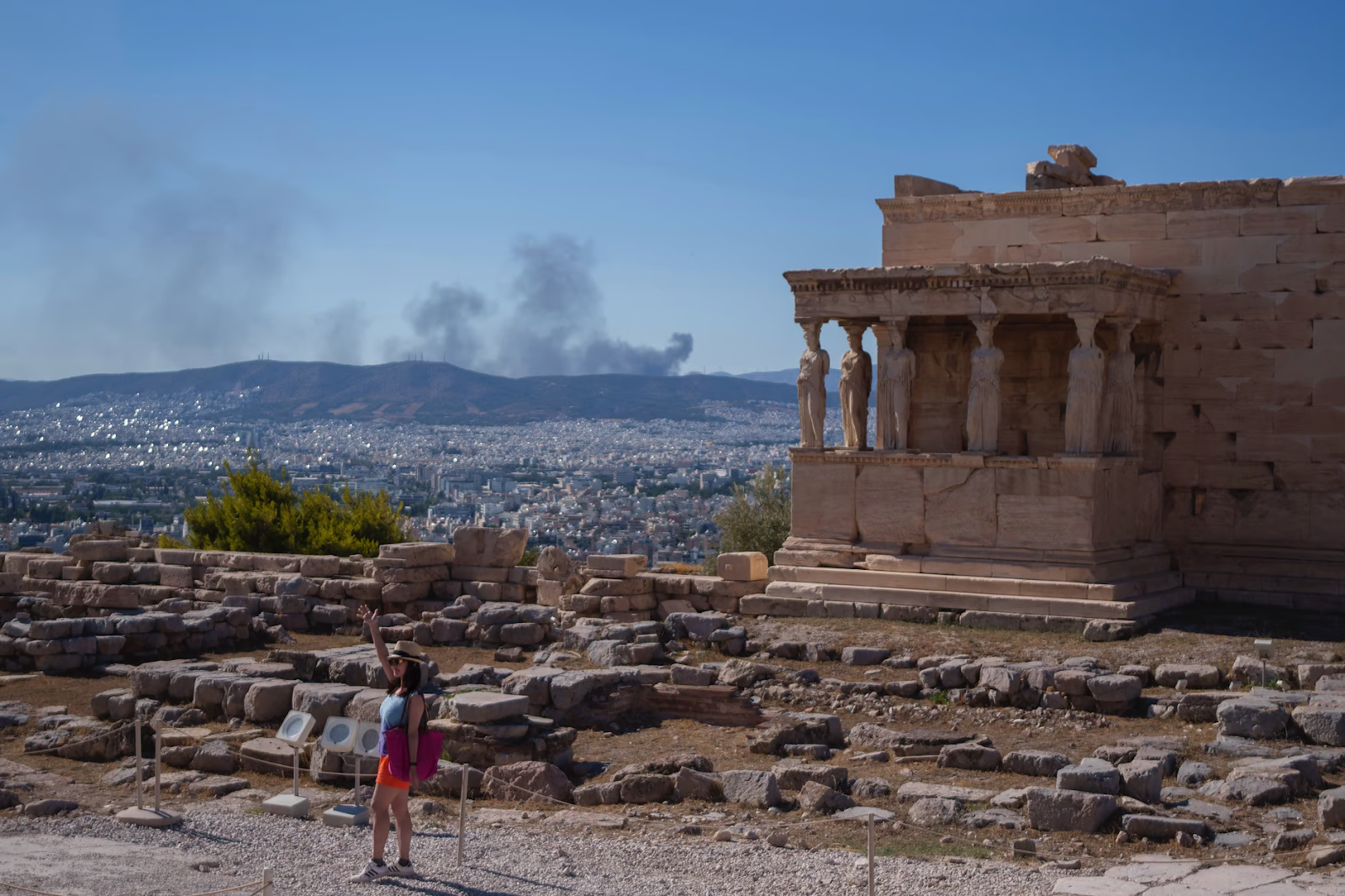
A severe heat wave sweeping across southern Europe has led to significant disruptions and tragic losses. In Greece, authorities were compelled to close the Acropolis, the nation’s most iconic cultural site, for several hours on Wednesday due to soaring temperatures. Tourists visiting the Parthenon temple atop the Acropolis faced extreme heat, with temperatures forecasted to reach up to 42°C (107°F) in some areas.

Meanwhile, in Italy, the heat wave has had deadly consequences. Two firefighters tragically lost their lives while combating a fire in the Basilicata region. The Italian government has issued severe heat warnings for multiple cities, including Palermo and Sicily, urging residents, especially the elderly, to stay indoors.

The heat wave, driven by hot air masses from Africa, is expected to persist through the weekend, with temperatures potentially peaking at 43°C (109°F). Other countries in the region, such as Albania and North Macedonia, are also grappling with wildfires and extreme heat, prompting emergency responses and international assistance.

As southern Europe continues to endure these extreme conditions, authorities are taking measures to protect both residents and tourists from the relentless heat.


Comments