Featured

The Canada Strong Fund — Invest Like the Government

  Published on MoneySavings.ca | Personal Finance | May 2026 Imagine being able to put your savings into the same fund the federal government is betting $25 billion on. For the first time in Canadian history, that's exactly what Ottawa is offering you — a front-row seat (and a direct stake) in the country's biggest nation-building push in generations. On April 28, 2026, Prime Minister Mark Carney announced Canada's first national sovereign wealth fund — the Canada Strong Fund. It's a bold, headline-grabbing idea: let everyday Canadians invest directly alongside the government in the ports, pipelines, mines, and infrastructure projects shaping our economic future. But before you start redirecting your TFSA contributions, let's break down exactly what this fund is, what it promises, what it costs — and whether it might belong in your financial plan. What Is the Canada Strong Fund? A sovereign wealth fund is a state-owned investment vehicle. Countries like Norw...

article

Russian Missile and Drone Attack Strikes Multiple Targets in Ukraine, Including Kyiv


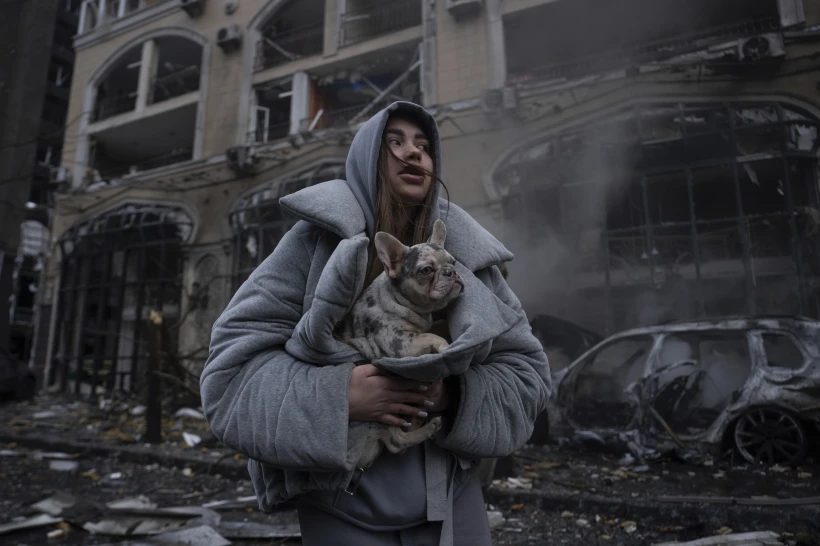
In the early hours of Tuesday, Russia launched a significant aerial attack on Ukraine, targeting the capital city of Kyiv and several other regions with a barrage of missiles and drones. The Ukrainian air force reported a ballistic missile threat at 3:00 a.m., followed by at least two explosions in Kyiv minutes later. Another missile alert was issued at 8:00 a.m., with at least one explosion reported in the city.

Missile debris fell in the Darnytskyi district of Kyiv, but there were no immediate reports of casualties or damage. In the northeastern Sumy region, authorities reported strikes near the city of Shostka, where 12 residential buildings and two educational facilities were damaged. The Russian Defense Ministry claimed that its forces successfully struck a Ukrainian air base and a gunpowder factory.

The nearly three-year conflict has seen significant destruction of Ukraine's energy infrastructure, leading to widespread rolling electricity blackouts. Despite the provision of air defense systems by Kyiv's Western allies, Russia has continued to overwhelm Ukraine's defenses with combined strikes involving large numbers of missiles and drones.

As the conflict continues, uncertainty looms over its future course, especially with U.S. President-elect Donald Trump set to take office next month. President Joe Biden recently announced an additional $2.5 billion in weapons aid to Ukraine, aiming to bolster Kyiv's defenses before the transition of power.

The situation remains tense as both sides continue to engage in aerial and ground attacks, with no clear resolution in sight.

Comments