As we step into 2025, several new laws and regulations are set to take effect across Canada, bringing significant changes that will impact various aspects of daily life. Here's a brief overview of some key changes and how they might affect you:
Child Care Fees
The government is capping child-care fees at $22 per day for families with children in centres enrolled in the national $10-a-day program. This reduction aims to make child care more affordable and accessible for families across the country.
Highway Traffic Act Amendments
Ontario is raising the threshold to report a collision involving property damage to $5,000 from the previous $2,000. This change is intended to reduce the administrative burden on drivers and police services.
Rental Renoviction Bylaw
Toronto will introduce a new bylaw to curb "renovictions," where tenants are evicted under false pretenses of necessary renovations. Landlords will need to obtain a Rental Renovation Licence and provide compensation to tenants who choose not to return to their units.
407 ETR Toll Changes
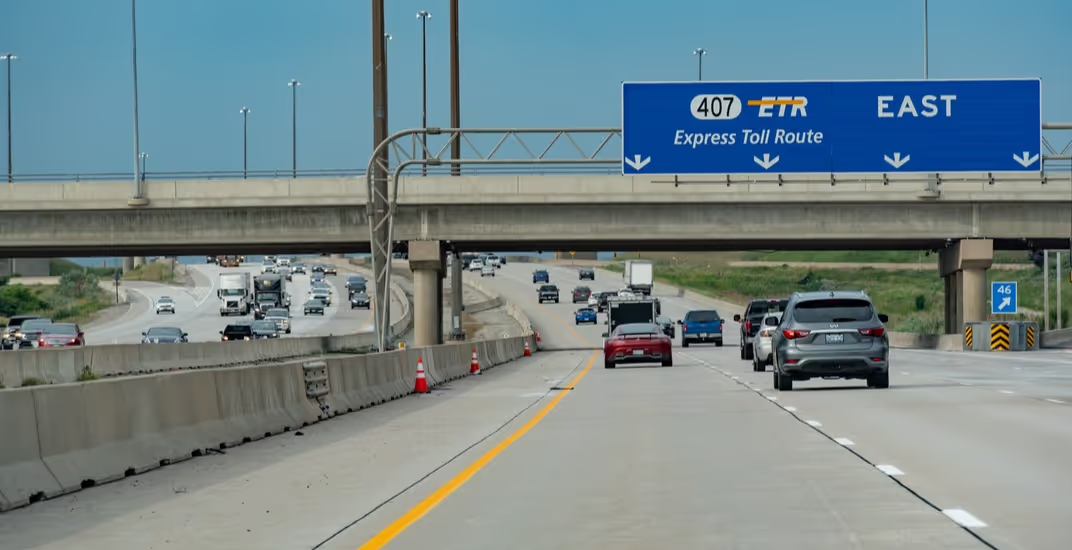
The Highway 407 ETR will implement a new rate schedule with 12 toll zones instead of the current four. This change aims to better manage traffic volumes and reflect each vehicle's impact on the highway.
Nightlife Zoning Changes
Toronto is updating licensing and zoning rules for bars, restaurants, and entertainment venues to modernize operations and reduce the concentration of nightclubs in the downtown core. Entertainment establishments will need to comply with new licensing categories and location requirements.
Increased Waste and Water Fees
Residents in Toronto will see a 3.75% fee hike for waste and water services to fund infrastructure projects. The fee increase varies by bin size, with small bins costing an extra $11.07 annually and larger bins costing more.
Tougher Penalties for Immigration Fraud
Changes to the Ontario Immigration Act will impose stricter penalties on fraudulent immigration representatives, including larger fines and multi-year or lifetime bans for serious offences.
These new laws and regulations reflect ongoing efforts to improve affordability, safety, and fairness in various sectors. Stay informed and prepared to navigate these changes smoothly!



Comments
Post a Comment