Featured

Canada’s Grocery Code of Conduct: What Shoppers Should Expect in 2026

Starting in 2026, Canada will officially implement its Grocery Code of Conduct , a landmark agreement designed to reshape the relationship between grocery retailers and their suppliers. While this initiative has been years in the making, many Canadians are wondering what it will mean for their weekly shopping trips. What Is the Grocery Code of Conduct? The code is essentially a set of rules agreed upon by major grocery retailers and suppliers . Its purpose is to ensure fairness, transparency, and predictability in the food supply chain. By establishing clear guidelines, the code aims to reduce disputes, foster collaboration, and strengthen Canada’s food system. Will Prices Go Down? One of the biggest questions for consumers is whether this code will lead to lower grocery bills. Experts caution against expecting dramatic price drops. Instead, the changes will likely be “invisible” to shoppers , focusing more on how retailers and suppliers interact behind the scenes. That said, by r...

article

Carney's Bold Moves: Trade War Relief and Megaproject Acceleration

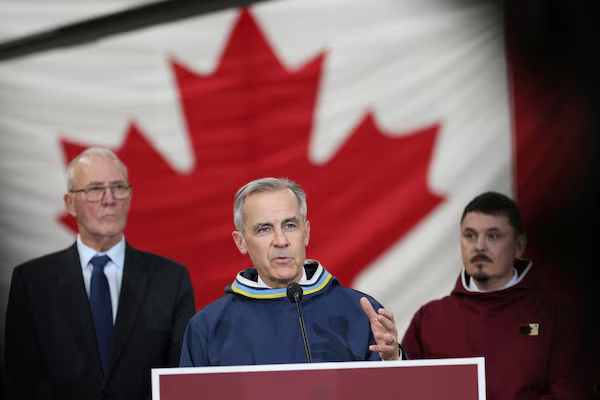
Canadian Prime Minister Mark Carney has unveiled a comprehensive plan to mitigate the economic impact of the ongoing trade war with the United States. In a decisive move, Carney announced measures aimed at supporting workers and businesses, including temporarily waiving the one-week waiting period for employment insurance and allowing businesses to defer corporate income tax payments and GST/HST remittances.

Carney also pledged to expedite major infrastructure projects through a streamlined "one-window approval process," aiming to cut red tape and accelerate development. Notable projects include the Cedar LNG and LNG Canada facilities in British Columbia and the Port of Churchill in Manitoba. These initiatives are expected to bolster Canada's economy and create significant opportunities for growth.

The Prime Minister emphasized the importance of removing barriers to the free movement of goods, services, and workers across provinces and territories, projecting an economic boost of $250 billion. With these measures, Carney aims to strengthen Canada's resilience and pave the way for long-term economic stability.


Comments