Featured

The Subway That Took a Generation: Why the Eglinton Crosstown’s Delays Were Even Worse Than You Think

  Toronto has a long history of transit projects that drag on, but the Eglinton Crosstown LRT has become the city’s defining example of how complicated, political, and painfully slow building transit can be. Most people think of the project as something that started in the early 2010s and simply ran over schedule. The truth is far messier—and stretches back decades. A Project With Roots in the 1990s Long before shovels hit the ground in 2011, the idea of rapid transit along Eglinton was already alive. In the mid‑1990s, the TTC began digging tunnels for what was then called the Eglinton West Subway . Construction actually started—tunnels were being carved out under the street—until the project was abruptly cancelled in 1995. The partially built tunnels were filled in, and the corridor sat untouched for years. That early false start meant that by the time the Crosstown was revived as part of the Transit City plan in 2007, planners weren’t starting fresh. They were restarting a dr...

article

Measles Resurgence in Ontario: Protect Your Family Now


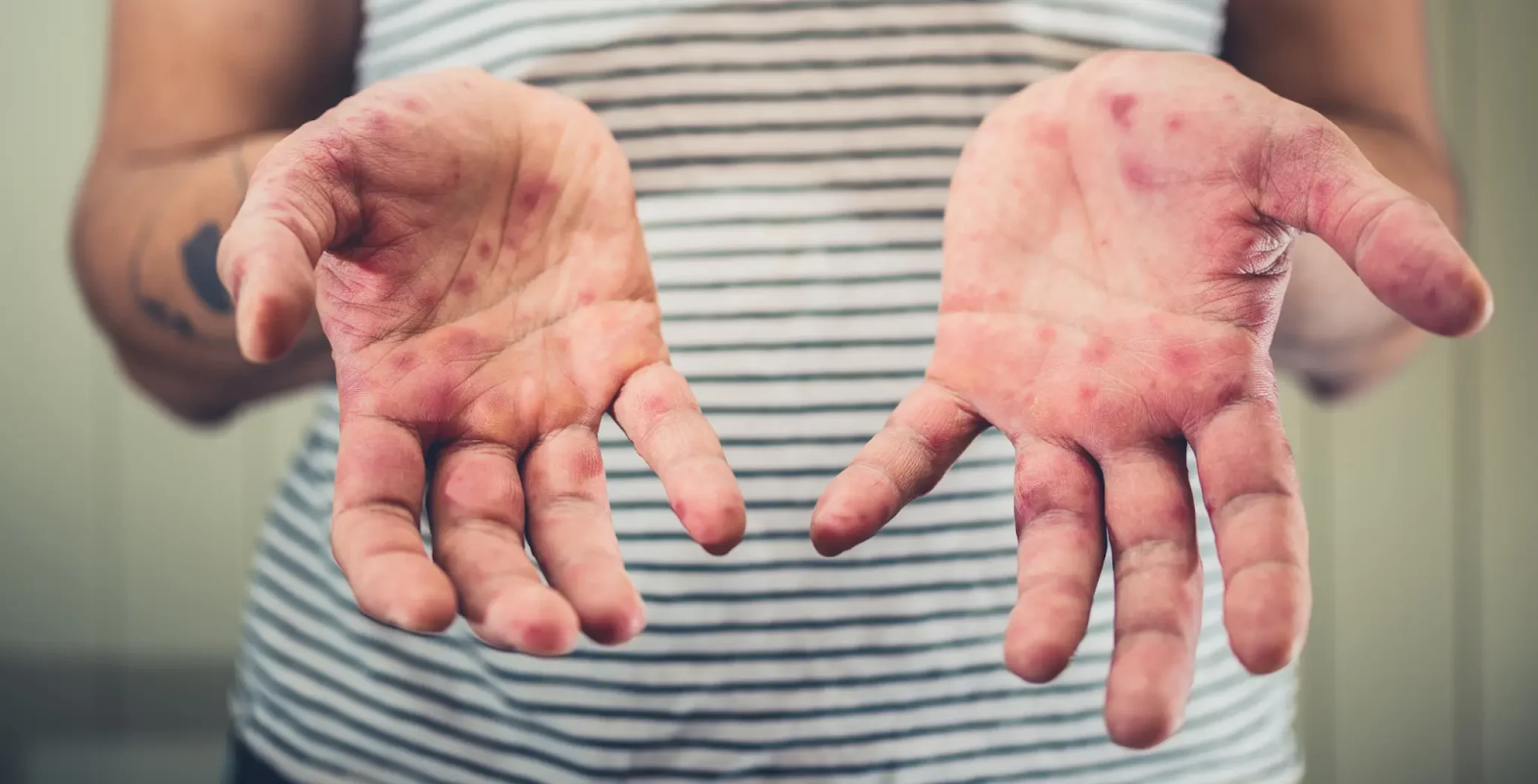
Ontario is witnessing a concerning resurgence of measles, a highly contagious yet preventable disease. With over 370 reported cases, including hospitalizations, the outbreak is primarily affecting unvaccinated individuals. Measles spreads through airborne droplets and can linger in the air for hours, making it one of the most infectious viruses.


Symptoms to Watch For:

  • High fever
  • Red, blotchy rash
  • Cough and runny nose
  • Red, watery eyes

How to Protect Yourself and Your Family:

1. Vaccination: Ensure everyone in your household is up-to-date with the Measles, Mumps, and Rubella (MMR) vaccine. Two doses provide near-total protection.

2. Check Immunization Records: Adults unsure of their vaccination status should consult their healthcare provider.

3.  Avoid Exposure: If you suspect measles, call your doctor before visiting to prevent spreading the virus.

4. Practice Hygiene: Regular handwashing and avoiding close contact with sick individuals can reduce risk.

Measles can lead to severe complications, especially in children and immunocompromised individuals. By staying informed and proactive, you can help curb the spread of this preventable disease.

Comments