Featured

The Subway That Took a Generation: Why the Eglinton Crosstown’s Delays Were Even Worse Than You Think

  Toronto has a long history of transit projects that drag on, but the Eglinton Crosstown LRT has become the city’s defining example of how complicated, political, and painfully slow building transit can be. Most people think of the project as something that started in the early 2010s and simply ran over schedule. The truth is far messier—and stretches back decades. A Project With Roots in the 1990s Long before shovels hit the ground in 2011, the idea of rapid transit along Eglinton was already alive. In the mid‑1990s, the TTC began digging tunnels for what was then called the Eglinton West Subway . Construction actually started—tunnels were being carved out under the street—until the project was abruptly cancelled in 1995. The partially built tunnels were filled in, and the corridor sat untouched for years. That early false start meant that by the time the Crosstown was revived as part of the Transit City plan in 2007, planners weren’t starting fresh. They were restarting a dr...

article

Gaza Aid Crisis: Soup Kitchens Shut Down Amid Israeli Blockade

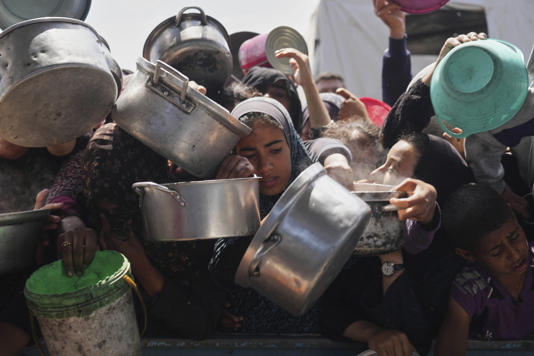
The humanitarian crisis in Gaza has deepened as World Central Kitchen, a leading aid organization, announced the closure of its community soup kitchens due to Israel’s ongoing blockade. The kitchens, which had been serving 133,000 meals per day and baking 80,000 loaves of bread, have run out of food supplies, leaving thousands without access to daily sustenance.

The blockade, imposed by Israel on March 2, has severely restricted the flow of humanitarian aid into Gaza, exacerbating food shortages and malnutrition. Aid agencies warn that the situation is pushing the population toward starvation, with nearly 10,000 children already treated for acute malnutrition this year.

José Andrés, the founder of World Central Kitchen, expressed frustration over the stalled aid deliveries, stating that trucks loaded with food and supplies are waiting in Egypt, Jordan, and Israel, but cannot enter Gaza without permission. The Israeli defense body overseeing aid has indicated that the blockade will remain in place unless government policy changes.

The shutdown of soup kitchens marks another devastating blow to Gaza’s war-battered population, as bakeries close and water distribution grinds to a halt due to fuel shortages. Rights groups have condemned the blockade as a “starvation tactic”, calling for immediate humanitarian intervention.

With no clear resolution in sight, the people of Gaza continue to face worsening conditions, relying on dwindling resources and international pressure to ease the blockade.

Comments