Canada isn’t taking President Trump’s tariff threats lying down. In a swift and multi-pronged response, Prime Minister Justin Trudeau and Canadian leaders have mobilized both economic and legal tools to counter the 25% tariffs imposed on U.S. goods.
First, Canada has rolled out its own retaliatory tariffs. Trudeau announced levies of 25% on U.S. imports totaling C$155 billion, with an immediate list targeting items like alcohol, fruits, and household appliances—and a second round set to hit automotive, aerospace, and other products in just three weeks. This sharp response is designed not only to level the playing field but also to send a clear political message: Canada will defend its economic sovereignty.
Legal measures are also on the docket. Canadian officials have signaled plans to challenge what they deem “illegal and unjustified” tariffs through international bodies such as the World Trade Organization. By taking the dispute into the legal arena, Canada aims to demonstrate that unilateral tariff impositions violate long-standing trade agreements like the USMCA.
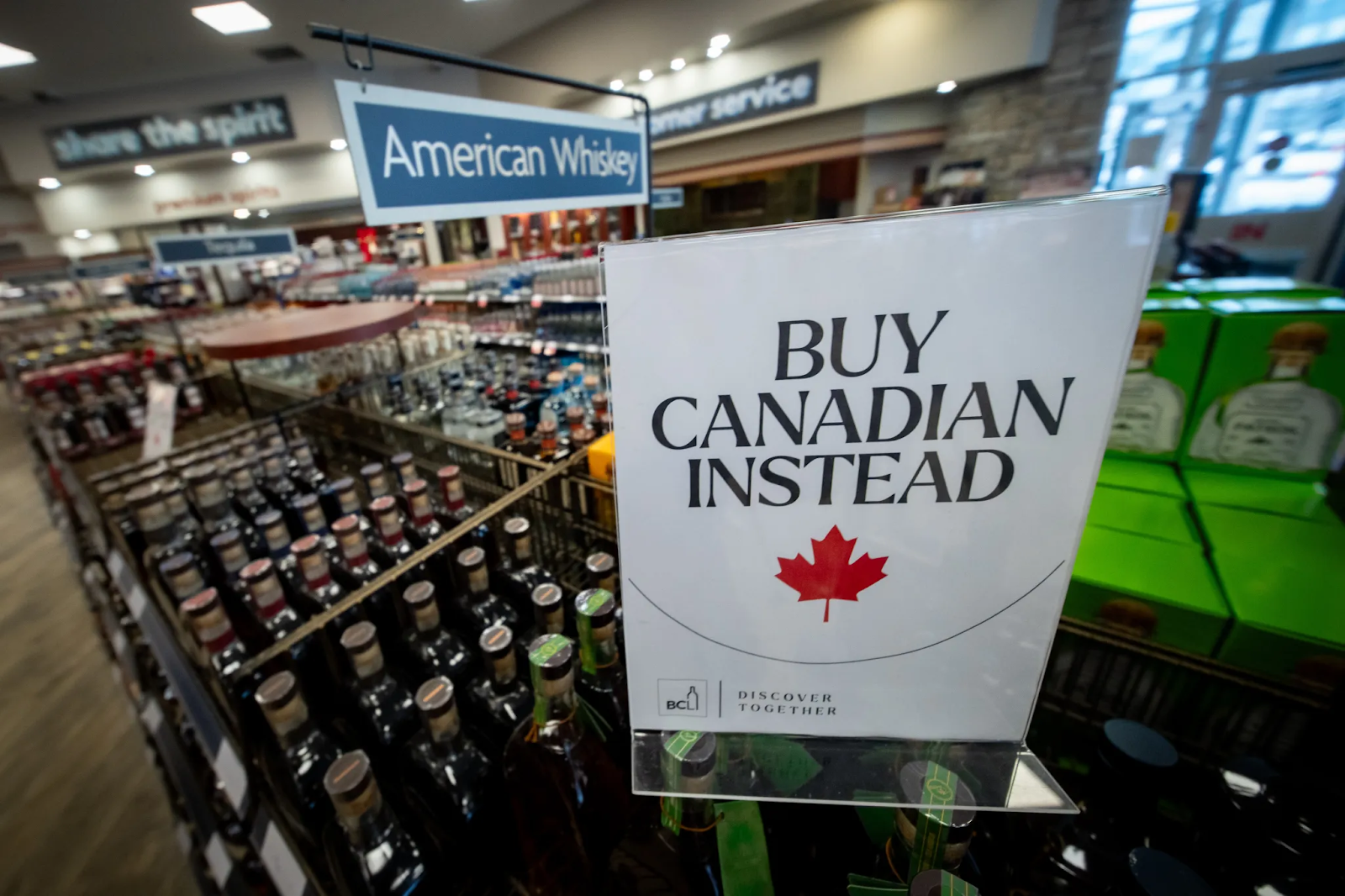
On the domestic front, a vigorous “buy Canadian” campaign is underway. Prime Minister Trudeau has called on Canadians to support local businesses and products as a patriotic response. This message has resonated widely, with various provinces joining the effort. Ontario’s Premier Doug Ford, for example, has already ordered the removal of American liquor from government-run stores—a move echoed in other provinces that are implementing non-tariff measures and restrictions on U.S. imports.
Public sentiment, too, has turned in favor of a robust counterattack. Canadian sports fans have made headlines by booing the U.S. national anthem at hockey and basketball games—a symbolic protest against policies seen as undermining Canada’s economic independence.
In sum, Canada’s response blends retaliatory tariffs, legal challenges, strategic provincial actions, and grassroots patriotism. This comprehensive strategy not only aims to counteract Trump’s tariffs but also to reinforce Canada’s commitment to protecting its own economic interests.



Comments
Post a Comment