Featured

Five Key Tax Changes Coming in 2026: What Canadians Need to Know

  As 2026 approaches, Canadians can expect several important updates to the federal tax system. These changes affect retirement planning, income tax brackets, and a range of credits that influence how much individuals and families will owe—or save—when filing their returns. Here’s a quick look at five of the most notable adjustments. 1. Higher RRSP Contribution Limits Canadians will be able to contribute more to their Registered Retirement Savings Plans (RRSPs) in 2026, thanks to inflation indexing. The increased limit gives savers more room to reduce taxable income while building long‑term retirement security. 2. Updated Federal Tax Brackets Income tax brackets will shift upward to reflect inflation. This means more of your income will be taxed at lower rates, helping offset rising living costs and preventing “bracket creep,” where inflation pushes taxpayers into higher tax brackets without real income gains. 3. Increased Basic Personal Amount (BPA) The Basic Personal Amoun...

article

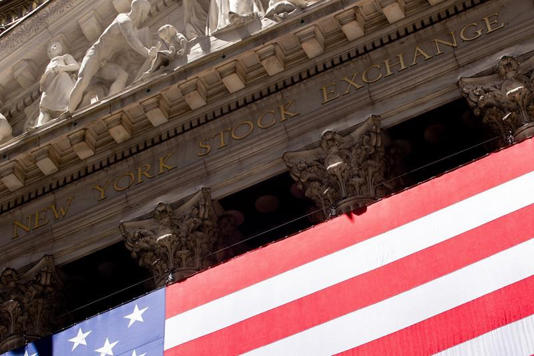
US stocks rebound from inflation shock as investors eye Fed comments, earnings


US stock futures rose on Wednesday, looking to recover from a sharp selloff triggered by hotter-than-expected inflation data that dashed hopes for interest-rate cuts before the summer.

Dow Jones Industrial Average ( ^DJI) futures added 0.2%, signaling a bounce back for the blue-chip index from a 500-point drop and its worst day since March 2022. Futures on the S&P 500 ( ^GSPC) put on roughly 0.4%, while those on the tech-heavy Nasdaq 100 ( ^NDX) jumped 0.5% — also on the heels of steep declines.

Investors were gripped by the wild fallout from a typo in Lyft’s ( LYFT) financial update late Tuesday. Shares in the ride-hailing company initially rocketed 67%, but the rally lost steam after Lyft corrected an error in its statement that boosted its profit outlook. The stock remained up a more modest 20% in premarket trading.

A new wave of earnings reports also could deliver some impetus, with Cisco ( CSCO ), Kraft Heinz ( KHC ), and Warren Buffett-linked Occidental ( OXY) among the big hitters on the list.

Comments by Fed officials Austan Goolsbee and Michael Barr in their appearances later in the day could provide more grist for the ever-present debate on rate timing.

Investors are coming to grips with the prospect of the Federal Reserve holding fire on rate cuts until later in the year — and a potential “no landing” scenario for the US economy.

The latest inflation reading showed consumer prices rose more than expected in January, increasing the odds of a “no landing” outcome, which would be a failed attempt of the Fed to quell inflation but, ultimately, would not result in a recession.

Bets on a March interest rate cut are now all but gone. Pricing on the CME FedWatch Tool now places a 39% chance the Fed cuts in May, down from a 67% chance just a week ago.

“In our view, a March cut is now firmly off the table and the chances of a May cut have significantly reduced. But we remain comfortable with our call for rate cuts to begin in June,” Bank of America US economist Stephen Juneau wrote in a research note on Tuesday.

Comments