Featured

5 Things to Know Today: G7 Oil Release, Pipeline Fast-Track and Ontario's N1 Deadline (Oct. 3)

  Canadian Money Brief • Saturday, October 3, 2026 Markets are closed for the weekend, so here is what moved on Friday and what it means for your wallet as the week turns. Five things worth knowing today. 1. The G7 Is Releasing 100 Million Barrels of Oil and Fuel G7 leaders, Canada included, agreed Friday to release 100 million barrels of crude and refined products from emergency reserves over the next four months, with a front-loaded diesel release in the first 20 days. Washington had been pressing allies to act as fuel prices climbed. Oil barely budged on the news: Brent settled at US$102.25 a barrel and WTI at US$91.11, down US$1.76. Analysts noted it is not yet clear whether the 100 million barrels is new supply or the tail end of the release pledged in March. What it means for you: Diesel comes first, which matters more for freight and grocery costs than for your gas tank. With Brent still around US$100, do not count on a quick drop at the pump. 2. A Weak U.S. Jobs Report Shi...

article

Venice Erupts in Protests Over Controversial €5 Tourist Entrance Fee


Venice, the picturesque Italian city known for its historic canals and narrow alleyways, was rocked by violent clashes between police and protestors. The cause? A contentious new “tourist tax” aimed at curbing overtourism during busy periods. Here’s what you need to know:

  • The Fee: The new entrance fee, set at €5 (approximately £4.30), applies to short-stay visitors and is in effect from today until May 5. On weekends, it will continue until July 14.

  • Critics’ Concerns: Demonstrators expressed their contempt towards the fee, arguing that it is unlikely to significantly reduce the approximately 30 million annual trips made to Venice. Some fear that it could tarnish the city’s public image.

  • Former Mayor’s Surprising Statement: Massimo Cacciari, a former mayor of Venice, went so far as to call the fee “absurd.” He suggested that tourists should outright refuse to pay, emphasizing that they already contribute to the city’s economy through various other expenses.

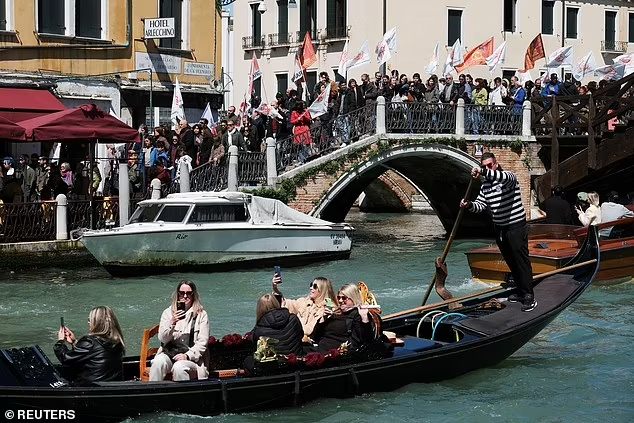
  • Business as Usual for Gondoliers: Amid the protests, gondoliers continued their usual work, ferrying tourists through the city’s iconic waterways. Tourists snapped photos of the demonstrations unfolding around them.

  • World’s First City to Charge an Entry Fee: Despite pleas from residents’ groups to reconsider the scheme, Venice became the first city globally to impose an entry fee specifically for day-tripper tourists. The goal is to manage congestion during peak times.

While the clashes highlight the tension surrounding the fee, the debate continues. Should visitors pay to experience the magic of Venice, or is this fee an unnecessary burden? Only time will tell how this unique policy shapes the city’s future.


Comments