Featured

U.S.–Iran Strikes Escalate: What It Means for Your Gas Bill and Savings

  ⚡ BREAKING · MAY 8, 2026 By MoneySavings.ca Editorial Team   |  May 8, 2026  |  5 min read The Strait of Hormuz, photographed from space. Approximately 20% of the world's oil supply passes through this narrow waterway. (Image: NASA / Public Domain) American warships were attacked in the Strait of Hormuz on May 7, 2026 — and the U.S. military fired back hard, striking Iranian ports at Qeshm and Bandar Abbas. For Canadians, this isn't just a distant war story. It's a pocketbook issue. 20% of global oil transits the Strait of Hormuz every day $94 projected WTI crude price per barrel if closure continues (CEPR, 2026) 5% of normal shipping traffic still moving through the Strait What Happened — and When The crisis didn't begin overnight. On February 28, 2026, the United States and Israel launched coordinated strikes against Iran, targeting nuclear infrastructure and senior military leadership — including Supreme Leader Ali Khamenei, who was killed in the strik...

article

Israeli Airstrike Eliminates Senior Hezbollah Commander in Southern Lebanon


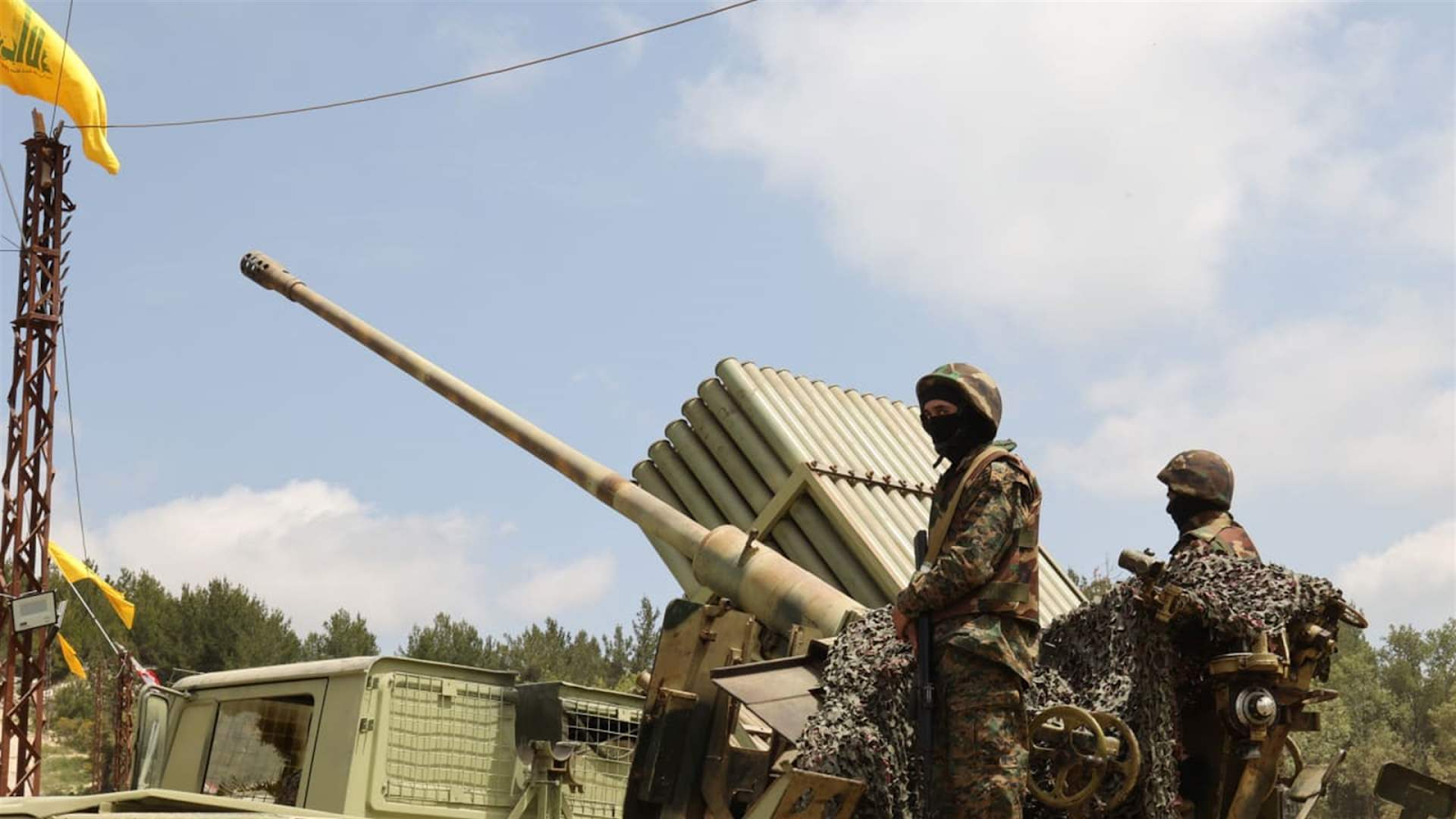
In a significant escalation of hostilities, an Israeli airstrike has killed a high-ranking commander in Hezbollah’s elite Radwan forces, according to security sources. The commander, identified as Habib Maatouk, was targeted in southern Lebanon on Thursday.

Maatouk had recently assumed his position following the death of his predecessor, Ali Ahmed Hassin, who was also killed in an Israeli strike earlier this year. The latest attack is part of ongoing tit-for-tat violence between Israel and Hezbollah, which has intensified since October 2023 when Hezbollah declared a “support front” with Palestinians following a major Hamas attack on southern Israel.

The airstrike hit the border villages of Safad El Batikh and Jmaijmeh, resulting in multiple casualties. Eighteen wounded individuals were taken to Tebnin government hospital, with two reported in critical condition. The conflict has led to significant destruction in Lebanese border towns, reminiscent of the 2006 Israel-Lebanon war.

This incident underscores the fragile and volatile nature of the region, with both sides continuing to engage in aggressive military actions. The international community remains concerned about the potential for further escalation and the humanitarian impact on civilians caught in the crossfire.


Comments