Featured

Canada's Tax Cut 2026: What It Means for Your Wallet

  If you haven't noticed a slightly fatter paycheque in 2026 — you're not imagining it. Canada's middle-class tax cut is now fully in effect, and nearly 22 million Canadians are paying less federal income tax this year. The question is: how much are you actually saving, and what's the smartest thing to do with it? Here's your plain-English breakdown — no tax jargon, no fluff. What Changed — And When In July 2025, the federal government cut the lowest federal income tax rate from 15% to 14% . That rate applies to the first $58,523 of every Canadian's taxable income in 2026 — regardless of how much you earn overall. Because it kicked in mid-year, the effective 2025 rate was a blended 14.5%. In 2026, you get the full 1% reduction from January 1 . Bill C-4 (the Making Life More Affordable for Canadians Act ) received Royal Assent on March 12, 2026 — making this cut permanent law. 2026 Federal Tax Brackets at a Glance The CRA also applied a 2% indexation adjustment...

article

Canada Faces Pressure to Provide Safe Haven for America's Trans Community Following Trump's Gender Order


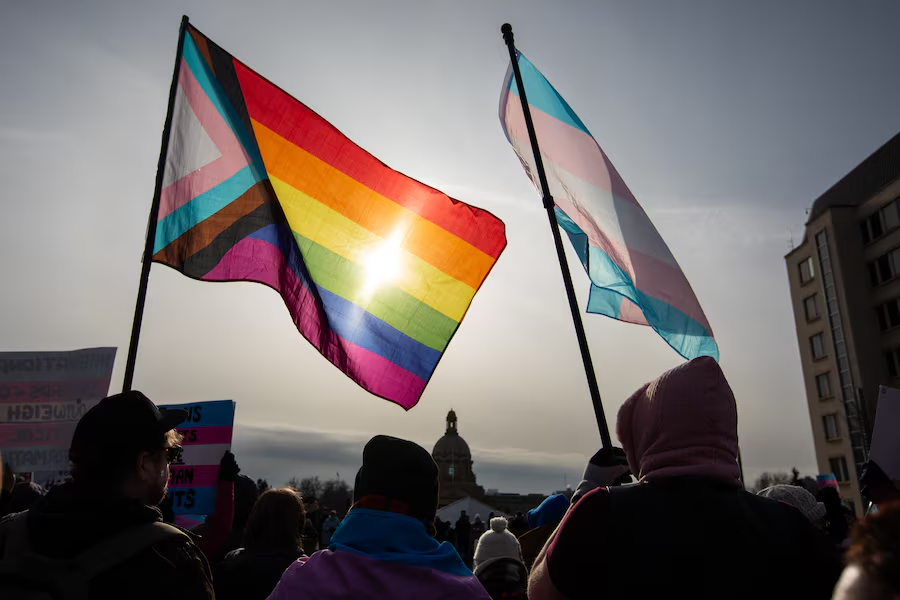
In the wake of President Donald Trump's recent executive order, which mandates the recognition of only two sexes—male and female—there is growing pressure on the Canadian government to offer refuge to America's transgender community. The order, signed on Trump's first day back in office, has sparked widespread concern and backlash, particularly among LGBTQ+ advocates.

The executive order, titled "Defending Women from Gender Ideology Extremism and Restoring Biological Truth to the Federal Government," effectively rolls back protections for transgender individuals by requiring government documents to recognize only male and female as sexes. This move has left many transgender Americans feeling vulnerable and uncertain about their future.

In response, prominent trans activists in Canada are calling on the federal government to update travel safety guidelines for trans Canadians traveling to the U.S. and to consider offering asylum to those affected by the new policy. Fae Johnstone, executive director of the Society of Queer Momentum, has voiced concerns about the potential dangers trans individuals may face when crossing the border with passports that do not conform to the new U.S. regulations.

Canada has long been seen as a safe haven for LGBTQ+ individuals, offering comprehensive protections for gender identity and expression. However, recent events have highlighted the need for continued vigilance and support for the trans community, both domestically and internationally.

As the situation unfolds, it remains to be seen how the Canadian government will respond to the growing calls for action. For now, trans activists and allies continue to advocate for the rights and safety of transgender individuals on both sides of the border.


Comments