Featured

The Subway That Took a Generation: Why the Eglinton Crosstown’s Delays Were Even Worse Than You Think

  Toronto has a long history of transit projects that drag on, but the Eglinton Crosstown LRT has become the city’s defining example of how complicated, political, and painfully slow building transit can be. Most people think of the project as something that started in the early 2010s and simply ran over schedule. The truth is far messier—and stretches back decades. A Project With Roots in the 1990s Long before shovels hit the ground in 2011, the idea of rapid transit along Eglinton was already alive. In the mid‑1990s, the TTC began digging tunnels for what was then called the Eglinton West Subway . Construction actually started—tunnels were being carved out under the street—until the project was abruptly cancelled in 1995. The partially built tunnels were filled in, and the corridor sat untouched for years. That early false start meant that by the time the Crosstown was revived as part of the Transit City plan in 2007, planners weren’t starting fresh. They were restarting a dr...

article

Israel's New Gaza Strategy Sparks Global Concern

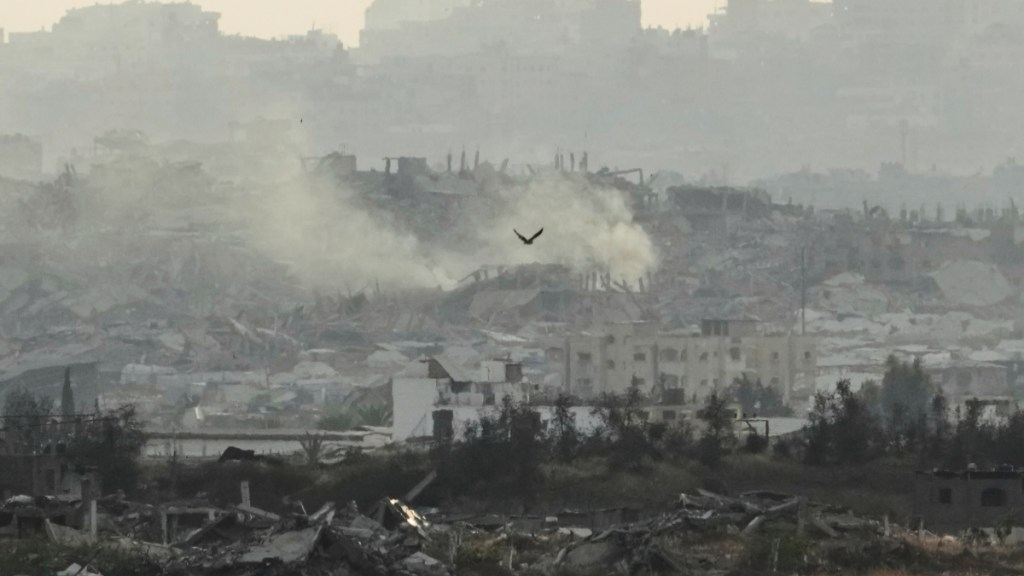
Israel has approved a plan to capture the entire Gaza Strip and maintain control over it for an unspecified period, according to Israeli officials. The decision, made in an early morning vote by Israeli cabinet ministers, marks a significant escalation in the ongoing conflict.

The plan aims to defeat Hamas and secure the release of hostages held in Gaza. However, it also involves the displacement of hundreds of thousands of Palestinians to southern Gaza, exacerbating an already dire humanitarian crisis. Since the collapse of a ceasefire in mid-March, Israel has intensified its military operations, capturing approximately 50% of Gaza and restricting humanitarian aid, including food, fuel, and water.

International opposition to the plan is expected to be fierce, with concerns over the long-term implications of Israel's extended presence in Gaza. The United Nations and humanitarian organizations have warned of severe shortages and worsening conditions for civilians. Meanwhile, Israel continues to engage with various countries regarding potential solutions, including controversial proposals for population relocation.

As the situation unfolds, global leaders and humanitarian groups are closely monitoring developments, urging diplomatic efforts to prevent further escalation and address the humanitarian crisis in Gaza.

Comments