Featured

Canada's New Groceries & Essentials Benefit: What It Means for Your Wallet in 2026

  Big news for Canadian households: the federal government has just unveiled the Canada Groceries and Essentials Benefit — and if you qualify, money could land in your bank account as early as June 2026 . With the cost of living still squeezing budgets from coast to coast, this is one announcement you don't want to miss. Here's everything you need to know — and more importantly, how to make the most of it. How Much Money Are We Talking? The amounts are significant. According to the federal government's Spring Economic Update 2026: Families of four: Up to $1,890 in 2026, and approximately $1,400/year for the next four years. Single individuals: Up to $950 this year, and around $700/year through 2030. Payments begin: June 2026 This benefit is a 25% increase on the former GST Credit , now renamed and boosted for five years. If you already receive the GST Credit, you should automatically be considered — no new application needed. 📌 Bonus: The government has also made th...

article

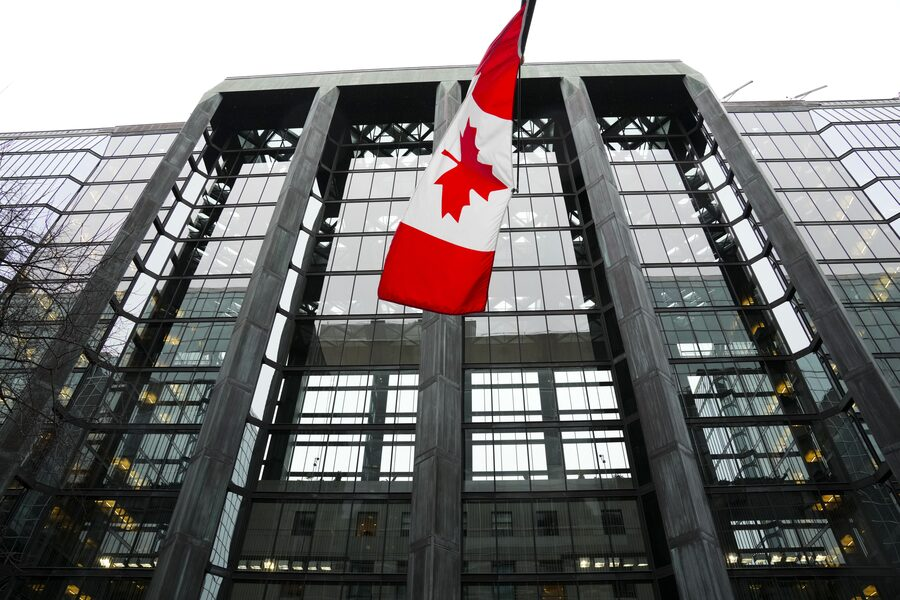
Bank of Canada keeps interest rate at 5%, warns of future hikes


The Bank of Canada (BoC) announced on Wednesday that it is maintaining its key interest rate at 5% for the eighth consecutive time, citing the need to balance the risks of high inflation and a slowing economy.

The central bank said that inflation has been running above its 2% target for several months, mainly due to higher energy prices and supply chain disruptions. However, it also noted that the economy is facing headwinds from the Omicron variant of COVID-19, which has led to renewed public health measures and uncertainty.

The BoC said that it expects inflation to moderate in the second half of 2024, as the effects of transitory factors fade and the output gap closes. It also said that it will continue to monitor the evolution of the economy and the pandemic, and that it is prepared to raise interest rates further if needed to achieve its inflation objective.

The BoC’s decision was widely expected by analysts, who have been speculating on the timing of the next rate hike. Some believe that the BoC will raise rates as early as January, while others think that it will wait until April or later, depending on the impact of the Omicron variant on the economy.

The BoC’s key interest rate affects the cost of borrowing for consumers and businesses, as well as the value of the Canadian dollar. A higher interest rate tends to attract foreign investors, boosting the demand for the loonie. The Canadian dollar was trading at 79.32 US cents on Wednesday, up slightly from 79.25 US cents on Tuesday.


Comments