Featured

Lawyers Demand Justice After Quebec Teen’s Death

Lawyers representing the family of Nooran Rezayi , a 15-year-old boy fatally shot by police in Longueuil, Quebec, are calling for accountability after allegations of interference in the investigation. Rezayi was killed on September 21, 2025 , in a suburban neighborhood south of Montreal. Quebec’s police watchdog (BEI) has accused local officers of questioning witnesses and attempting to obtain video footage , actions that could compromise the independence of the probe. Lawyers for Rezayi’s family insist such interference cannot go unpunished. The family has filed a $2.2 million lawsuit against the Longueuil police and the city, claiming “unreasonable and disproportionate force” was used against the unarmed teen. His mother, Fahima Rezayi, has urged authorities to ensure accountability, stressing that “this must never happen again.” The case has sparked outrage and renewed calls for reform in Quebec’s policing system. Critics argue that protecting the watchdog’s independence is ess...

article

Cash vs. Card: Making Smart Payment Choices


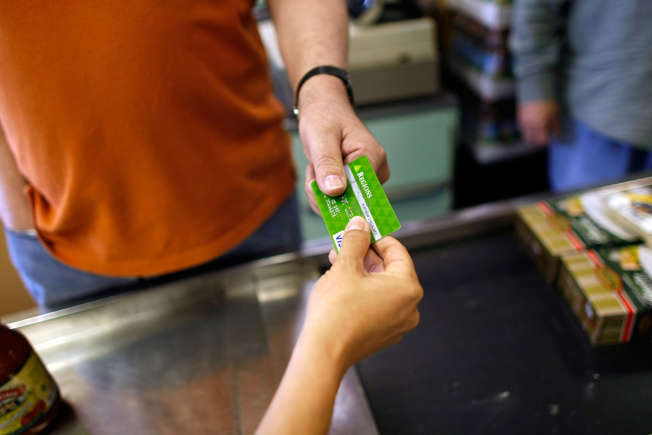
In our increasingly digital world, the way we handle money has evolved. Cash transactions are on the decline, and plastic cards have become ubiquitous. But is paying by card always the best choice? Let’s explore the advantages and drawbacks of both methods.

The Case for Cards

  1. Safety and Security:

    • Carrying cash can be risky. If lost or stolen, it’s gone forever. In contrast, credit and debit cards offer better security. Most issuers provide fraud protection, and you can quickly report any unauthorized transactions.
    • Plus, cards eliminate the need to carry large sums of money, reducing the risk of theft.
  2. Rewards and Perks:

    • Credit cards often come with rewards programs. From cashback to travel points, using your card wisely can earn you valuable benefits.
    • Debit cards linked to rewards programs also exist, although they’re less common.
  3. Convenience and Tracking:

    • Swiping a card is faster than counting out bills and coins.
    • Card statements provide detailed records of your spending, making budgeting and tracking expenses easier.

The Cash Counterarguments

  1. Temptation and Overspending:

    • Cash is tangible. When you see it leaving your wallet, you’re more aware of your spending.
    • With cards, it’s easy to overspend. The abstract nature of electronic transactions can lead to impulsive purchases.
  2. Hidden Fees:

    • Some merchants charge extra for card payments (especially for small amounts). These fees can add up over time.
    • Additionally, credit cards may have annual fees or interest charges if you carry a balance.
  3. Privacy Concerns:

    • Every card transaction leaves a digital trail. If privacy is a priority, cash might be preferable.

Conclusion

In the end, there’s no one-size-fits-all answer. Consider your lifestyle, financial habits, and personal preferences. A mix of both cash and card usage might be the best approach.

Comments