Featured

Liberal Ranks Grow as Michael Ma Joins Carney’s Team

                      Markham-Unionville MP Michael Ma crossed the floor to join the Liberals on Thursday. In a dramatic political shift on Parliament Hill, Michael Ma, the Member of Parliament for Markham–Unionville, announced on December 11, 2025, that he is leaving the Conservative caucus to sit with the Liberals . His decision follows weeks of consultation with constituents and family, and comes on the heels of Nova Scotia MP Chris d’Entremont’s defection last month. Ma explained that his move was motivated by a desire for “unity and decisive action for Canada’s future.” He praised Prime Minister Mark Carney’s leadership, describing it as a steady and practical approach to tackling pressing issues such as affordability, economic growth, community safety, and opportunities for young families. The floor-crossing is politically significant: the Liberals now hold 171 seats, just one short of a majority in the House of...

article

To Rent or Buy? Rental Costs Still Lower Than Buying in Most Markets

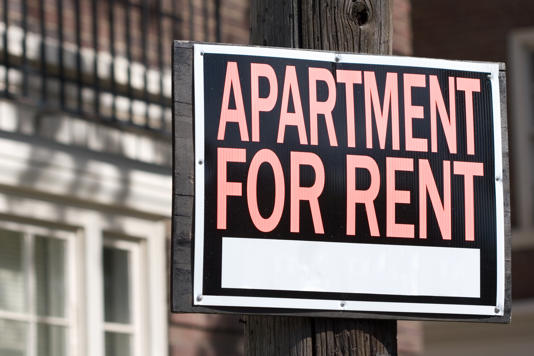
As rents continue to soar in Canada, many Canadians are left wondering whether it’s more cost-effective to rent or buy a home. Despite the surge in rental prices over the last two years, an analysis conducted by Zoocasa reveals that average monthly rental rates in most major markets across the country are still less than average monthly mortgage payments.

The Numbers: Renting vs. Buying

  • The average monthly rent for all property types in Canada was $2,174 in December, marking an 8.4% year-over-year increase.
  • In contrast, the average monthly mortgage payment for all property types was $3,253.
  • Zoocasa calculated average rent prices using data from Rentals.ca, combining the average price of one-bedroom and two-bedroom rentals. Average home price data were sourced from the Canadian Real Estate Association (CREA) and individual city real estate boards. Monthly mortgage payments were calculated using Ratehub.ca’s affordability calculator, assuming a 20% downpayment on a home of average price in each market, with a 25-year amortization and an interest rate of 4.84%.

Market Disparities

While the gap between renting and buying has narrowed, in Canada’s most expensive housing markets, it remains substantial. Here’s a snapshot

  1. Toronto: The average monthly rental in December was $2,918, compared to an average monthly mortgage payment of $4,888.
  1. Vancouver: The average monthly rent came in at $3,180, while the average monthly mortgage payment was $5,353.

However, some markets show a more favorable balance:

  • Quebec City: The difference between renting and buying was just $54 ($1,501 for average monthly rent vs. $1,555 for an average monthly mortgage payment).
  • Regina: The gap was $62 ($1,311 for average monthly rent vs. $1,373 for an average monthly mortgage payment).

Other markets with narrower gaps include Edmonton, Calgary, Saskatoon, Montreal, and Halifax. Surprisingly, Winnipeg is the lone market where the average monthly mortgage payment ($1,526) is slightly less than renting ($1,531).

Canada faces a housing affordability crisis driven by higher interest rates, housing supply shortages, and surging population growth. Shelter costs, including mortgage interest and rent, remain a significant driver of inflation. In December, shelter inflation increased by 6% year over year, according to Statistics Canada. Rent prices continued to rise, jumping 7.7% year over year.

In summary, while the rent vs. buy decision varies by location, renting still offers a more affordable option for many Canadians, especially in markets with sky-high home prices.


Comments