Featured

10 Days Left: What the End of the Gas Tax Holiday Actually Costs You

  By MoneySavings.ca  |  August 28, 2026 The federal gas tax holiday ends in 10 days. Starting September 8, the 10-cent-per-litre federal excise tax on gasoline comes back — and diesel's 4-cent-per-litre tax returns with it. If you've gotten used to cheaper fill-ups since April, here's exactly what changes and what it'll cost you. What the Tax Holiday Actually Did Back in April, Ottawa suspended the federal fuel excise tax on gasoline, diesel, and aviation fuels to cushion Canadians from a spike in global oil prices tied to the Iran conflict. Since April 20, the federal excise rate on gasoline has sat at 0 cents per litre instead of the usual 10 cents. Diesel and aviation fuel taxes dropped to zero from their normal 4-cent rate. Finance Canada pegged the total relief at more than $2.4 billion over the year. That relief window closes September 7 — Labour Day — inclusive. On September 8, rates snap back to their standard levels: 10 cents/litre on gasoline, 4 cents/litre o...

article

US Inflation Surges in January, Raising Concerns for Fed and Markets


The US consumer price index (CPI) rose 0.5% in January from the previous month, exceeding economists’ expectations of a 0.2% increase, according to data released on Tuesday. The annual inflation rate jumped to 3.1%, the highest level since March 2021, and above the Federal Reserve’s 2% target.

The surge in inflation was driven by higher costs of energy, food, shelter, and transportation, reflecting the impact of supply chain disruptions, labor shortages, and rising demand amid the economic recovery from the pandemic. Core inflation, which excludes volatile food and energy prices, also rose 0.4% in January, the largest monthly gain since July 2021.

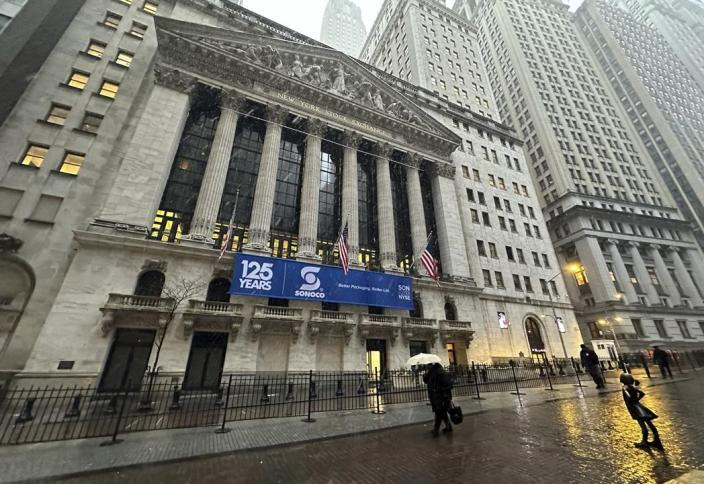
The higher-than-expected inflation report rattled the financial markets, as investors feared that the Fed might have to tighten its monetary policy sooner than anticipated to prevent the economy from overheating. US stock futures fell after the release of the data, while the yield on the 10-year Treasury note rose to 2.09%, the highest level since January 2020.

The Fed has maintained that the current inflation spike is transitory and largely reflects the base effects of low prices a year ago, as well as the temporary factors related to the reopening of the economy. The central bank has signaled that it will keep its benchmark interest rate near zero and continue its bond-buying program until the labor market and inflation reach its goals.

However, some analysts and policymakers have warned that the inflation pressures could persist and become more widespread, posing a threat to the economic outlook and the Fed’s credibility. They have urged the Fed to act more aggressively to rein in inflation and prevent a loss of confidence in its ability to maintain price stability.

Comments