Featured

Light in the Darkness: Why Hanukkah Matters More Than Ever

                    The first night of Chanukah, the Jewish Festival of Lights, on Bondi Beach in 2008. In a world that often feels uncertain, Hanukkah’s message of resilience and hope shines with renewed relevance. The holiday commemorates the triumph of the Maccabees and the miracle of the oil that lasted eight nights, but its meaning extends far beyond ancient history. Resilience in adversity : Hanukkah reminds us that even in times of struggle, perseverance can lead to victory. The power of light : Lighting the menorah is more than tradition—it’s a symbol of bringing warmth and clarity into dark times. Community and connection : Gathering with family and friends reinforces the importance of unity, especially when the world feels divided. Faith and miracles : Hanukkah encourages us to believe in possibilities beyond what seems rational, inspiring hope in everyday life. As challenges continue to shape our global lands...

article

Brian Mulroney: A Legacy of Leadership and International Diplomacy


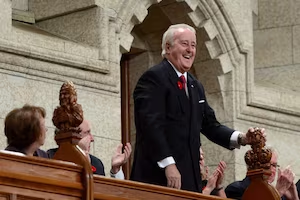
Brian Mulroney, Canada’s 18th prime minister, passed away at the age of 84. His tenure from 1984 to 1993 left an indelible mark on Canadian history, characterized by both triumphs and challenges.

Mulroney built a strong rapport with US leaders during his time in office, improving what had been a sometimes fractious relationship between neighbors. His efforts laid the groundwork for significant treaties, including:

  1. North American Free Trade Agreement (NAFTA): As the architect of NAFTA, Mulroney tore down barriers to trade across North America. While the trade pact became a pillar of Canada’s economy, it also sparked debates about sovereignty.

  2. Environmental Initiatives: Mulroney spearheaded environmental treaties, such as the 1991 accord on acid rain signed with US President George H.W. Bush. These agreements were crucial first steps toward international climate change cooperation.

However, Mulroney’s international achievements contrasted with a more turbulent record in domestic affairs:

  1. National Sales Tax: His government introduced a widely disliked national sales tax, which faced public backlash.

  2. Constitutional Reforms: Mulroney embarked on an ill-fated attempt to renew Canada’s constitution. The failure of constitutional negotiations revived the question of Quebec separatism, leading to a 1995 referendum where voters narrowly rejected independence.

  3. Economic Struggles: A deep recession in the early 1990s proved fatal for Mulroney’s Progressive Conservatives. He left office in June 1993, and the party suffered a significant defeat in the subsequent election.

Brian Mulroney, the son of an electrician, was born in the small Quebec town of Baie-Comeau. His bilingual upbringing and legal background shaped his political journey. Despite the controversies, his ability to work closely with the US administration remains a testament to his leadership.

As Canada mourns the loss of a statesman, we remember Brian Mulroney as a champion of free trade, a bridge-builder, and a leader who left an indelible mark on the nation’s history. 

Comments