Featured

OAS Just Got Its Biggest Raise of 2026: What 1.4% Actually Pays

  Canadian Money Brief • Published October 2, 2026 Old Age Security is going up 1.4% for the October-to-December quarter, the biggest of the four quarterly adjustments in 2026. For a senior on the maximum pension, that works out to $10.53 more a month . Whether that feels like a raise or just a catch-up depends on a number most headlines skip: how much prices have risen over the past year. +$10.53 a month Maximum OAS for ages 65 to 74 goes from $751.97 to $762.50. That is about $126 more over a year, and it starts with the Oct. 28 deposit. What actually changes on October 28 The new rate applies to the Oct. 28 payment and the two after it (Nov. 26 and Dec. 22). Nothing needs to be filed. It applies to OAS, the Guaranteed Income Supplement (GIS) and the Allowances automatically. Maximum monthly amount Jul–Sep 2026 Oct–Dec 2026 Change OAS, ages 65 to 74 $751.97 $762.50 +$10.53 OAS, age 75 and over $827.17 $838.75 +$11.58 GIS, single senior (approx.) $1,123.17 about $1,138.89 about +$...

article

Early Signs of Multiple Sclerosis (MS) in Women


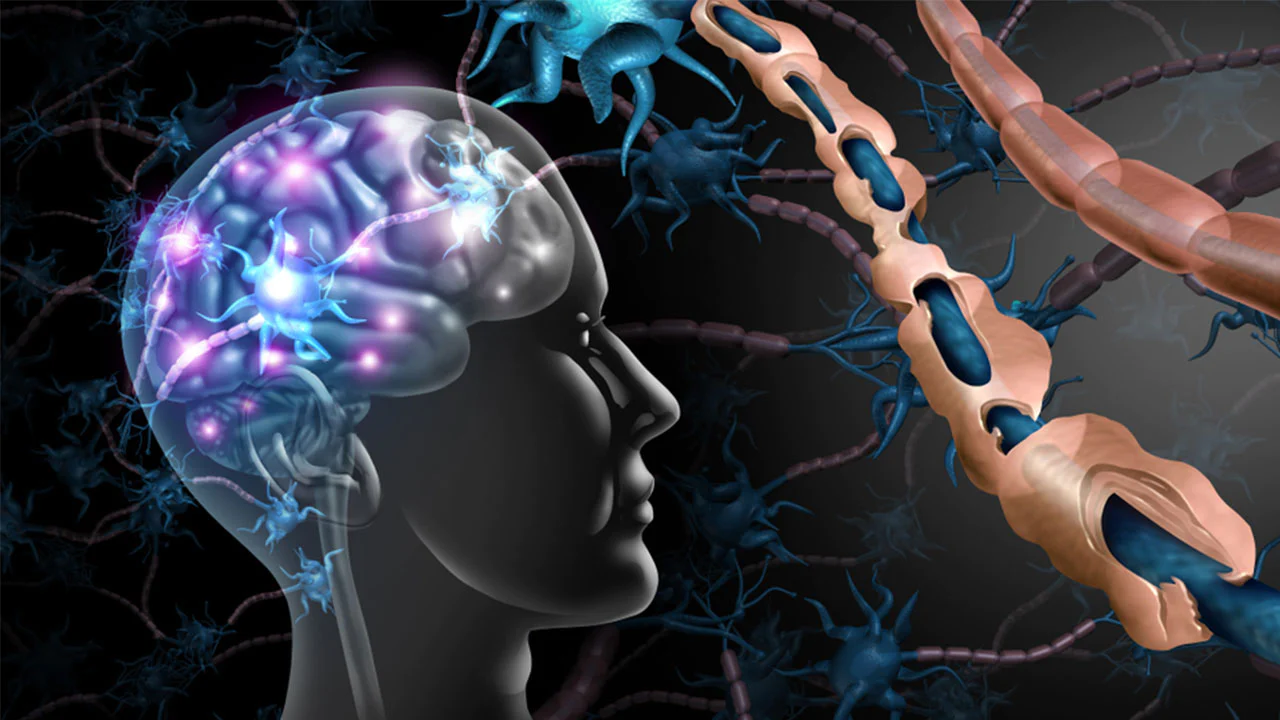
Multiple sclerosis (MS) is a chronic disease that affects the central nervous system, including the brain and spinal cord. While there’s no single definitive test for MS, recognizing its early symptoms can empower you to take action. Here are some common signs to watch out for:
  1. Foot Numbness and Tingling: If your foot frequently falls asleep or experiences pins-and-needles sensations, it could be an early sign of MS. This numbness and tingling may occur due to disrupted nerve signals.

  2. Vision Problems: Blurred vision, double vision, or sudden visual disturbances can be indicative of MS. Optic neuritis, an inflammation of the optic nerve, is a common early symptom.

  3. Muscle Weakness and Fatigue: Feeling unusually weak or fatigued, especially in the limbs, might be an early warning sign. MS affects muscle strength and coordination.

  4. Balance Issues and Dizziness: Unsteadiness, difficulty maintaining balance, and episodes of dizziness can be related to MS. These symptoms may impact daily activities.

  5. Strange Skin Sensations: Some women with MS report abnormal sensations like burning, itching, or crawling on the skin. These sensations can occur without any apparent cause.

  6. Slowed Thinking and Cognitive Changes: MS can affect cognitive function, leading to memory problems, difficulty concentrating, and slowed thinking.

Remember, early diagnosis is crucial for managing MS effectively. If you experience any of these symptoms, consult your doctor promptly. While MS is incurable, treatments and therapies can help slow its progression and improve quality of life.

Comments