
Featured

5 Things to Know Today: G7 Oil Release, Pipeline Fast-Track and Ontario's N1 Deadline (Oct. 3)

  Canadian Money Brief • Saturday, October 3, 2026 Markets are closed for the weekend, so here is what moved on Friday and what it means for your wallet as the week turns. Five things worth knowing today. 1. The G7 Is Releasing 100 Million Barrels of Oil and Fuel G7 leaders, Canada included, agreed Friday to release 100 million barrels of crude and refined products from emergency reserves over the next four months, with a front-loaded diesel release in the first 20 days. Washington had been pressing allies to act as fuel prices climbed. Oil barely budged on the news: Brent settled at US$102.25 a barrel and WTI at US$91.11, down US$1.76. Analysts noted it is not yet clear whether the 100 million barrels is new supply or the tail end of the release pledged in March. What it means for you: Diesel comes first, which matters more for freight and grocery costs than for your gas tank. With Brent still around US$100, do not count on a quick drop at the pump. 2. A Weak U.S. Jobs Report Shi...
article

Humanitarian Crisis Deepens in Gaza Amidst Conflict


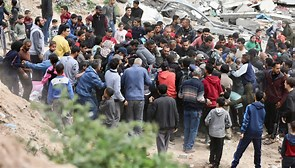
The humanitarian situation in Gaza has reached a critical point as the United Nations warns of an impending famine in the northern regions. The World Food Program’s alarming report indicates that 70% of the population is facing catastrophic levels of hunger, with the possibility of half of Gaza’s 2.3 million residents being pushed to the brink of starvation if the conflict escalates.

Israeli forces have conducted another raid on Gaza’s largest hospital, Shifa Hospital, amidst claims of Hamas militants using the facility for operations. This has raised international concerns and calls for Israel to facilitate the entry of aid and open more crossings to address the dire needs of the Gazan population.

The European Union’s top diplomat has described the looming famine as “entirely man-made,” pointing to the use of starvation as a weapon of war. Aid groups emphasize the necessity of consistent food aid, access to clean water, and healthcare to avert the crisis.

As the war displaces 80% of Gaza’s population, the region’s infrastructure is under severe strain, with many residents resorting to eating animal feed. The international community continues to push for a ceasefire and increased humanitarian aid to prevent a large-scale famine in Gaza.


Comments