Featured

The Fed Decides Wednesday — Here's What It Means for Your Mortgage, the Loonie, and Your RRSP

  Monday, July 27, 2026 The U.S. Federal Reserve hands down its rate decision at 2 p.m. ET on July 29. For most Canadians it will feel like background noise. It isn't — here's the plain-language version of why it touches your mortgage, your cross-border spending, and whatever's sitting in your RRSP. The short version: Markets are pricing roughly a two-in-three chance the Fed holds its rate at 3.50%–3.75% on Wednesday. That's not the story. The story is that this is one of the least certain "sure thing" holds in years — and Chair Kevin Warsh's press conference at 2:30 p.m. ET could matter more than the decision itself. Why this meeting is different The Fed has held its benchmark rate steady at 3.50%–3.75% through every meeting so far in 2026. On paper, Wednesday should be more of the same. Under the hood, it's messier. Persistent inflation, running well above the Fed's 2% target for a fifth straight year, has kept a rate hike on the table. The oil-...

article

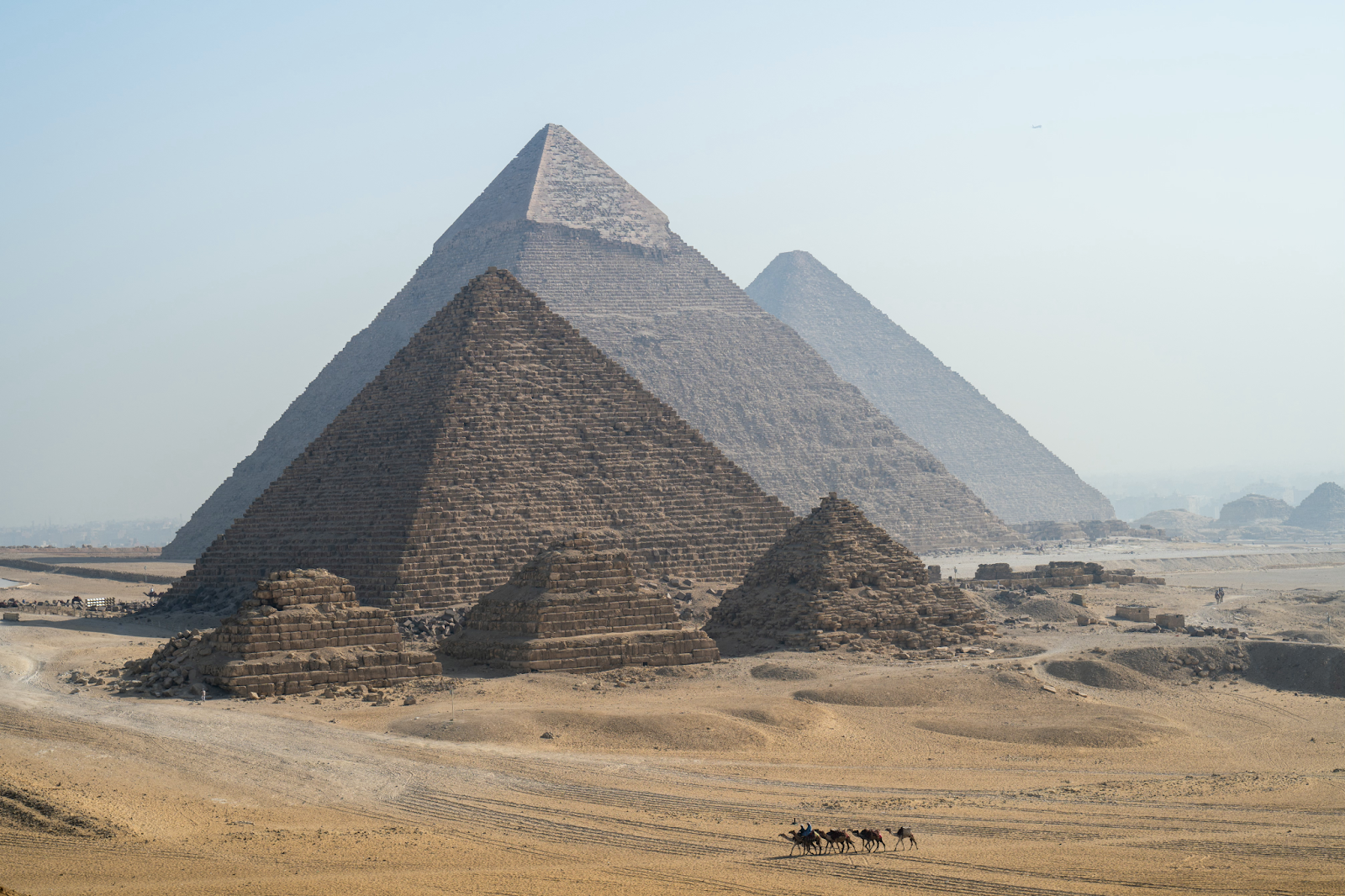
Ancient Egyptian Superhighway: The Ahramat River’s Role in Pyramid Construction


For centuries, the construction of Egypt’s majestic pyramids has been shrouded in mystery, with numerous theories attempting to explain how these ancient wonders were built. Now, a groundbreaking discovery may hold the key to this age-old question.

  • The Ahramat River: Researchers have uncovered a lost branch of the Nile, named Ahramat, which they believe was instrumental in transporting materials for pyramid construction.
  • Transportation of Materials: The river, running alongside 31 pyramids, was likely used to float massive stone blocks, some weighing over a ton, from distant quarries to the construction sites.
  • Technological Breakthrough: The discovery was made possible through radar satellite imagery, enabling scientists to identify buried rivers and structures beneath the desert sands.
  • Impact on Pyramid Placement: The study suggests that the positioning of pyramids farther east during Egypt’s Middle Kingdom era was due to the migration of the Ahramat waterway since the Old Kingdom era.

This revelation not only demystifies the construction process of the pyramids but also provides insight into the sophisticated infrastructure and planning capabilities of ancient Egyptian civilization.

Comments