Featured

The U.S. Is Banning Canadian Booze on Sept. 29 — Here's What It Means for Ontario's $1-Billion Industry

  LCBO shelves have been missing American bourbon and Napa wine since March 2025. In three weeks, the trade war flips direction — and this time it's Canadian producers, and the roughly 20,000 Ontarians who work for them, absorbing the hit. What's actually changing on Sept. 29 On Sept. 8, President Trump signed proclamations that ban a wide range of Canadian alcohol from entering the United States, effective 12:01 a.m. Eastern on Sept. 29. It's a different kind of measure than the tariffs Canadians have gotten used to reading about this year — this isn't a price increase, it's a door closed. Packaged beer, wine, cider, and spirits (including whisky, vodka, gin, rum, tequila and mezcal) are covered, alongside whey products, molasses, non-alcoholic beer, and larger motorcycles. Canadian alcohol previously imported but not yet cleared for consumption before Sept. 29 stays under the existing 50% duty instead of the outright ban. The White House's proclamation points ...

article

Israel Orders New Evacuations in Rafah as it Prepares to Expand Military Operations


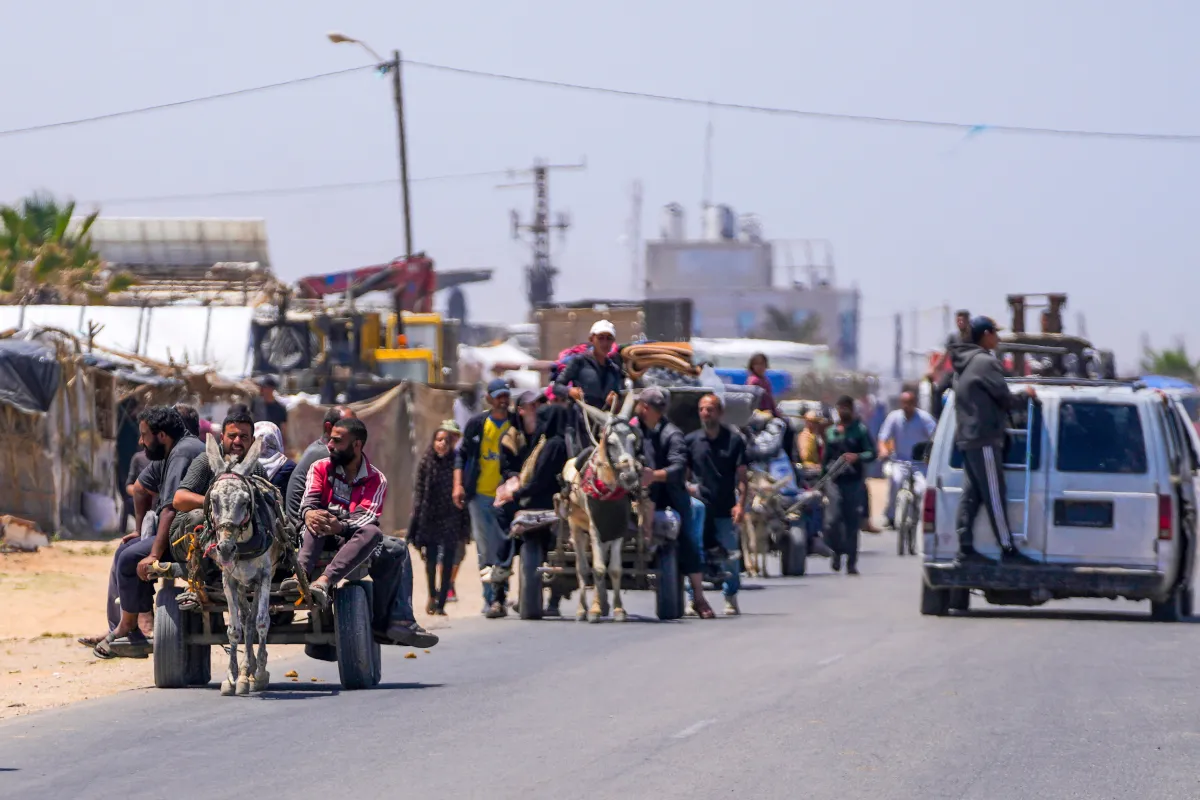
In a significant development, Israel has ordered new evacuations in Gaza’s southern city of Rafah. Tens of thousands of people are being forced to move as the Israeli military prepares to expand its operations closer to the heavily populated central area. This move comes despite growing pressure from close ally the United States and other international actors.

The situation in Rafah is critical. Israel has already evacuated the eastern third of the city, which is considered the last refuge in Gaza. However, the United Nations and other agencies have warned that a full-scale invasion of Rafah would have dire consequences for humanitarian operations and could lead to a surge in civilian casualties. Rafah shares a border with Egypt near the main aid entry points, which have already been affected by the conflict.

U.S. President Joe Biden has taken a firm stance, stating that offensive weapons will not be provided to Israel for its operations in Rafah. The U.S. report also highlighted “reasonable” evidence that Israel breached international law protecting civilians during its war against Hamas. In response, Israel emphasized its compliance with the laws of armed conflict and its efforts to minimize civilian casualties.

More than 1.4 million Palestinians—half of Gaza’s population—have sought refuge in Rafah, most of them fleeing Israel’s offensives elsewhere. The ongoing evacuations are forcing people to return north to areas that have already been devastated by previous Israeli attacks. Displaced residents are grappling with the difficult decision of leaving their homes in search of safety. As one Rafah resident put it, “The Israeli army does not have a safe area in Gaza. They target everything” .

The situation remains tense, and the international community closely watches the developments in Rafah. The impact on civilians and humanitarian operations cannot be overstated, and efforts to find a peaceful resolution continue amidst the escalating conflict.


Comments