Featured

Weekly Market Snapshot: Yields at Multi-Decade Highs, Oil Eases on Hormuz Hopes — Week of Sept. 22–26, 2026

Week of September 22–26, 2026 It was a week of two forces tugging in opposite directions. Bond yields surged to levels not seen since 2004–2007, driven by resilient US economic data, hawkish Fed signals, and oil-driven inflation fears — putting pressure on equities and the Canadian dollar. Then, late in the week, reports emerged that US and Iranian negotiators were exploring a phased deal to reopen the Strait of Hormuz. Oil pulled back sharply Friday, yields stabilized, and markets found enough relief to post a partial recovery. The TSX finished the week slightly lower but well off its worst levels, while US indices managed a weekly gain. 🍁 Canada — TSX & the Loonie The S&P/TSX Composite entered the week near 35,800 and, after a volatile ride, closed Friday around the same level — giving up roughly 0.3% on the week. Mid-week selling was driven by the same forces pressuring global markets: surging US Treasury yields, a rising oil-inflation premium, and investor nervousness ahea...

article

Tragedy Strikes During Hajj Pilgrimage: Over 300 Egyptians Succumb to Heat


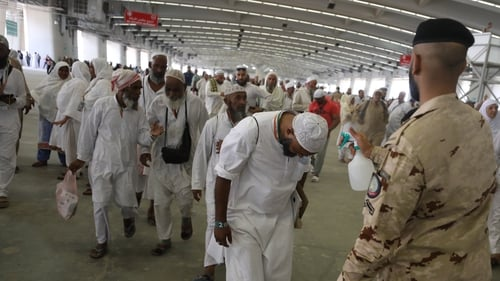
At least 323 Egyptian pilgrims tragically lost their lives during the annual Hajj pilgrimage in western Saudi Arabia. The majority of these deaths were attributed to heat-related illnesses, according to two Arab diplomats coordinating their countries’ responses.

The Hajj, one of the five pillars of Islam, draws millions of pilgrims from around the world to Mecca. However, this year’s pilgrimage faced extreme temperatures, with the area where rituals are performed experiencing a rise of 0.4 degrees Celsius (0.72 degrees Fahrenheit) per decade due to climate change.

Among the deceased, 60 Jordanian pilgrims also succumbed to the heat. Tragically, many of the Egyptian casualties were unregistered pilgrims attempting to save money by avoiding official visas. These off-the-books pilgrims lacked access to air-conditioned facilities provided by Saudi authorities along the Hajj route.

The total death toll reported by various countries has reached 577, highlighting the severity of this heartbreaking event. Other nations, including Indonesia, Iran, and Senegal, have also reported fatalities during this year’s Hajj pilgrimage.

As we mourn the loss of these lives, it serves as a stark reminder of the challenges posed by climate change and the need for better safety measures during religious pilgrimages.


Comments