Featured

5 Things to Know Today: US Import Ban, Oil Tops $100, TSX Slides, ECB Hikes

  September 10, 2026 A big trade-war escalation, a return of $100 oil, a wobbly TSX, and a central bank on the move overseas — here's what's moving markets and your wallet this morning. 1. Washington Bans Canadian Alcohol, Dairy Ingredients and Motorcycles The trade war jumped up another notch Tuesday night. The White House issued executive orders banning imports of most Canadian alcoholic beverages — beer, wine, whisky, vodka, rum, tequila and more — along with whey protein, molasses and non-alcoholic beer, plus Canadian-made motorcycles. The bans take effect September 29. Several cheese products were added to the existing 50% tariff list rather than banned outright, and Trump's threat to raise auto tariffs from 25% to 50% on January 1 remains on the table. The move follows Canada's own $27.6-billion retaliation tariffs, which took effect at midnight Tuesday. Trade Minister Dominic LeBlanc called the U.S. measures "unjustified." What it means for you: This m...

article

Escalating Tensions: Strikes on Militant Leaders Threaten Middle East Stability


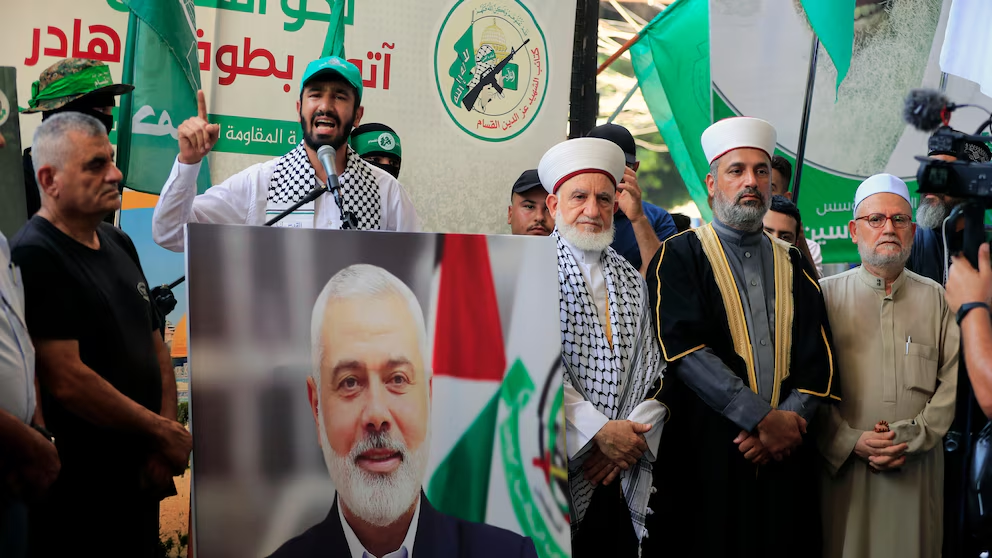
In a dramatic escalation, the recent targeted strikes on two senior militant leaders have heightened tensions in the already volatile Middle East. The assassination of Hamas’ top leader Ismail Haniyeh in Tehran and the strike against senior Hezbollah commander Fouad Shukur in Beirut have sent shockwaves through the region.

These strikes, attributed to Israel, come at a critical juncture as international mediators strive to broker a cease-fire between Israel and Hamas to end the ongoing conflict in Gaza. The killing of Haniyeh, a key figure in the cease-fire negotiations, has cast a shadow over these efforts. A senior Egyptian official involved in the talks described the assassination as a “reckless act” that could derail the fragile peace process.

Iran’s response to the attack on its territory has further complicated the situation, with threats of retaliation that could potentially lead to a broader conflict. The international community, including the U.S., Egypt, and Qatar, has condemned the strikes and urged for restraint to prevent further escalation.

The impact of these events on the ground is palpable. In Gaza, there is a growing sense of despair as hopes for a cease-fire wane. “By assassinating Haniyeh, they are destroying everything,” said Nour Abu Salam, a displaced Palestinian.

As the region teeters on the brink, the need for diplomatic intervention and a renewed commitment to peace has never been more urgent. The coming days will be crucial in determining whether the Middle East can avoid descending into further chaos.


Comments