Featured

Three Smart Levers to Cut Your 2025 Tax Bill

Taxes are inevitable, but overpaying them isn’t. With new rules and opportunities in 2025, smart planning can help you keep more of your hard-earned money. Here are three effective levers to reduce your tax liability this year: 1. Maximize Retirement Contributions Contributing to retirement accounts such as RRSPs (Canada) or 401(k)/IRAs (U.S.) remains one of the most effective ways to lower taxable income. Contributions qualify for tax relief at your highest marginal rate, meaning every dollar you save reduces your tax bill significantly. Employer-matching programs make this even more attractive, and withdrawals in retirement can be structured for lower tax exposure. 2. Leverage Tax Credits and Deductions Common deductions include childcare expenses, education costs, and home office claims. Tax credits, unlike deductions, directly reduce the amount you owe, making them especially valuable. Temporary tax breaks introduced in 2025 can be maximized before they expire. 3. Use...

article

CN Rail and CPKC Lock Out Workers Amid Labor Talks Deadlock


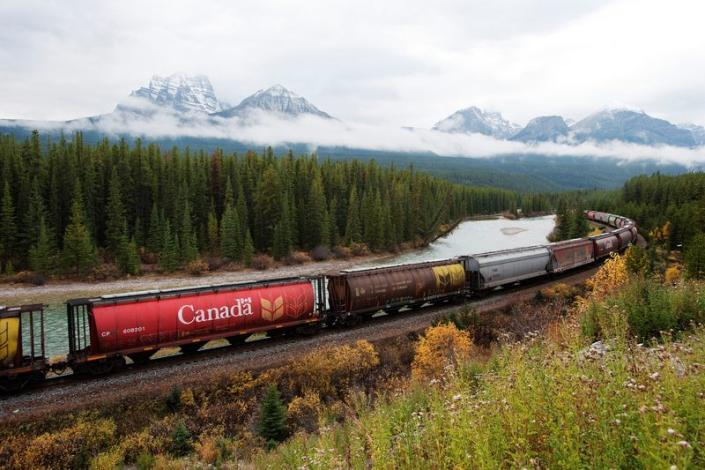
Canadian National Railway (CN) and Canadian Pacific Kansas City (CPKC) have taken the drastic step of locking out workers, effectively shutting down Canada’s extensive freight rail network. The move comes after unsuccessful negotiations with the major labor union, Teamsters Canada. These negotiations have been ongoing since the expiration of contracts in December 2023.

The lockout has halted the movement of critical commodities such as grain, potash, and coal across the country. Here’s a timeline of the events leading up to this labor impasse:

  • December 31: Contracts covering locomotive engineers, conductors, and yard workers at CN and CPKC expire.
  • May 10: The Canadian government intervenes to delay a possible strike by railway workers.
  • May 23: Talks hit a deadlock, with predictions that a legal strike or lockout would not likely occur before mid-July.
  • August 22: CN and CPKC shut down their rail networks, affecting nearly 10,000 workers.

This unprecedented action underscores the severity of the labor dispute and its impact on Canada’s transportation infrastructure. As negotiations remain deadlocked, the ripple effects on the economy and supply chains are likely to be significant.

Comments