Featured

A Canadian Dividend Stock Is Leaving Canada — What Algonquin Power's US Move Means for Your RRSP and TFSA

  Published August 9, 2026 Algonquin Power's move to Delaware could change how your dividends are taxed — and whether index funds keep holding the stock at all. If you've owned Algonquin Power & Utilities Corp. (TSX/NYSE: AQN) in your RRSP or TFSA for the dividend, pay attention this week. On Friday, August 7, the Oakville, Ontario-based utility announced it plans to leave Canada — reincorporating as a Delaware company with its head office moving to Chicago. It's not a rumour or a boardroom leak. It came straight from the company's own Q2 2026 earnings release, and CEO Rod West was blunt about the reasoning: more than 80% of Algonquin's operations are now in the United States, with less than 5% left in Canada. The plan is to align the corporate address with where the business actually lives. What's actually changing Here's the plan as Algonquin has laid it out: The company would formally "continue" out of Canada and reincorporate in Delaware,...

article

Bank of Canada Poised for Significant Rate Cut Amid Economic Slowdown


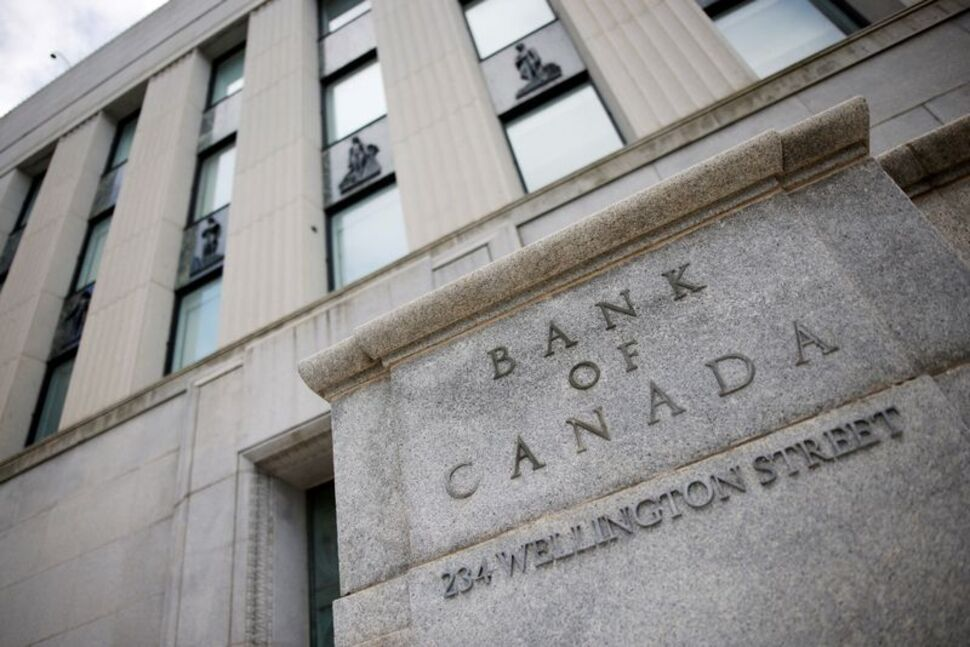
The Bank of Canada is widely expected to reduce its key policy rate by 50 basis points next week, marking its fourth consecutive rate cut and the first substantial reduction outside of the pandemic era in over 15 years. This anticipated move aims to stimulate economic growth as the country grapples with falling prices and sluggish consumer and business spending.

The central bank’s decision, set to be announced on October 23, will likely bring the benchmark rate down to 3.75% from the current 4.25%. This follows a series of rate cuts that began in June, prompted by consistent signs of cooling inflation and weakening economic growth.

Governor Tiff Macklem has indicated that the Bank of Canada is increasingly concerned about the risks of a faltering economy and declining inflation. Recent data has shown that Canada’s GDP growth has been minimal, with a mere 0.2% increase in July and a likely stall in August. Additionally, headline inflation for September was recorded at 1.6%, below the central bank’s target range.

Economists and financial markets are largely in agreement about the upcoming rate cut, with a Reuters poll showing that two-thirds of economists expect a 50 basis point reduction. This move is seen as necessary to support the economy, despite some concerns about potential inflationary pressures.

The Bank of Canada’s upcoming monetary policy report will provide further insights into its economic forecasts and the rationale behind its decision. As the central bank navigates these challenging economic conditions, its actions will be closely watched by markets and policymakers alike.


Comments