Featured

U.S. Hits Iran’s Kharg Island Military Sites Amid Rising Oil‑Sector Tensions

  The US bombed military targets on Kharg Island in the Persian Gulf, but spared oil infrastructure for now. The United States has carried out airstrikes on military targets located on Iran’s Kharg Island, a strategic hub responsible for the overwhelming majority of the country’s oil exports. President Donald Trump stated that U.S. forces “obliterated” military positions on the island, emphasizing that the operation avoided damaging vital oil infrastructure.  Kharg Island, which handles most of Iran’s crude shipments, sits at the center of global energy flows and has become a flashpoint amid escalating regional conflict. Iranian state media reported no harm to oil facilities but warned that any future attacks on its energy network would provoke retaliation. The strike marks a significant escalation in the two‑week‑old conflict, with Washington also deploying an additional 2,500 Marines and an amphibious assault ship to the region. Analysts warn that any disruption to Kharg ...

article

Canadian Dollar Faces Continued Weakness Amid Economic Pressures


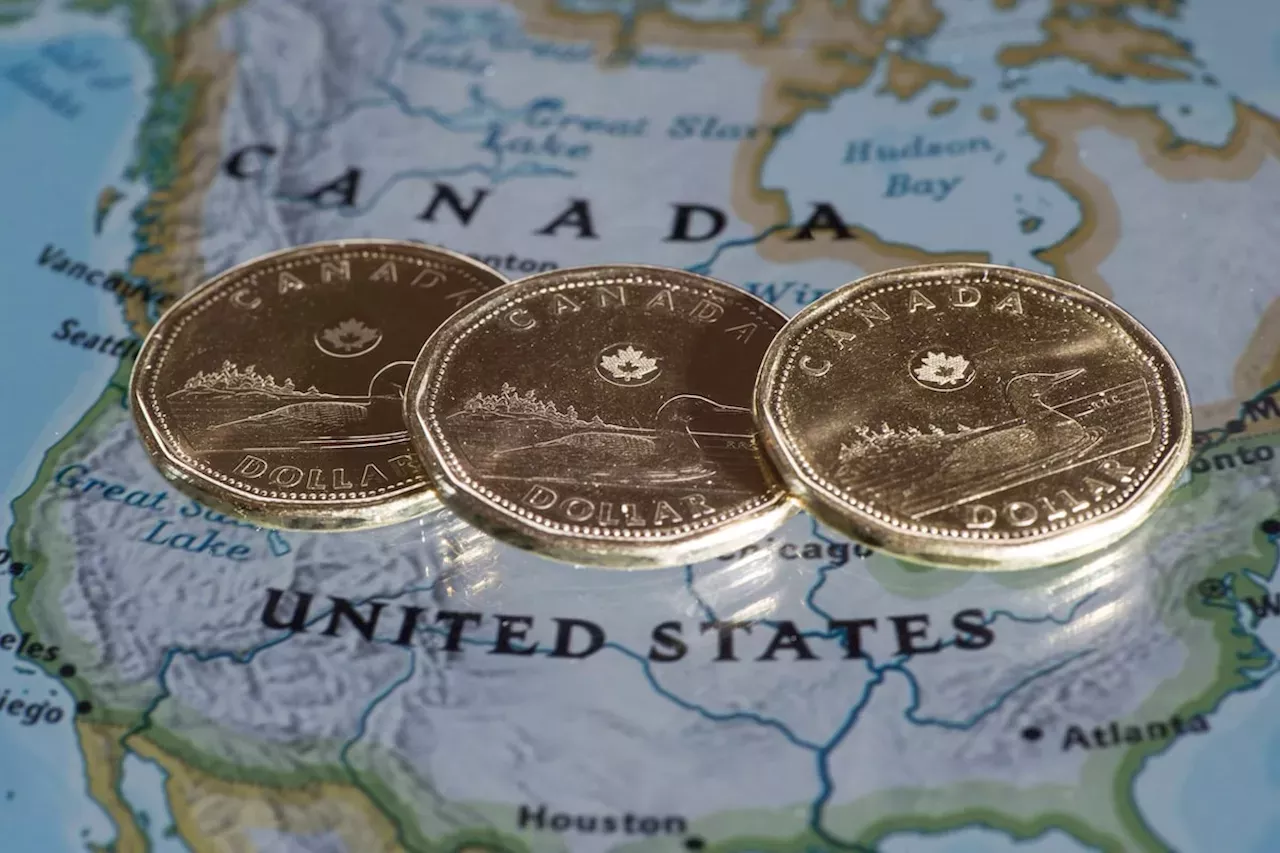
Analysts predict that the Canadian dollar, or "loonie," will continue to weaken due to a combination of factors. The currency has been under significant pressure recently, falling to its lowest level in five years. Several key factors are contributing to this decline:

1. U.S. Dollar Strength: The loonie has been losing ground against the U.S. dollar, which has been gaining strength due to expectations of economic policies under the re-elected former president Donald Trump. Trump's promises of deregulation, tax cuts, and tariffs have bolstered the U.S. dollar.

2. Interest Rate Divergence: The Bank of Canada has been cutting interest rates faster than the U.S. Federal Reserve in an effort to support the Canadian economy. This divergence in monetary policy has put additional downward pressure on the loonie.

3. Political Turbulence: Political instability in Ottawa has also contributed to the loonie's weakness. Uncertainty surrounding trade policies and potential tariffs on Canadian exports to the U.S. has created a challenging environment for the currency.

4. Global Commodity Prices: The loonie is closely tied to global commodity prices, particularly oil. Fluctuations in these prices can have a significant impact on the currency's value.

Economists expect the loonie to remain weak for the foreseeable future, with potential for further declines if trade tensions escalate. However, there is also a possibility of a rebound if global commodity prices rise or if trade negotiations improve.

The continued weakness of the loonie has mixed implications for the Canadian economy. While it benefits exporters by making their products more competitive, it increases the cost of imports and makes travel to the U.S. more expensive for Canadians.

Overall, the loonie's future will depend on a complex interplay of domestic and international factors, making it a key area to watch in the coming months.


Comments