Featured

5 Things to Know Today: G7 Oil Release, Pipeline Fast-Track and Ontario's N1 Deadline (Oct. 3)

  Canadian Money Brief • Saturday, October 3, 2026 Markets are closed for the weekend, so here is what moved on Friday and what it means for your wallet as the week turns. Five things worth knowing today. 1. The G7 Is Releasing 100 Million Barrels of Oil and Fuel G7 leaders, Canada included, agreed Friday to release 100 million barrels of crude and refined products from emergency reserves over the next four months, with a front-loaded diesel release in the first 20 days. Washington had been pressing allies to act as fuel prices climbed. Oil barely budged on the news: Brent settled at US$102.25 a barrel and WTI at US$91.11, down US$1.76. Analysts noted it is not yet clear whether the 100 million barrels is new supply or the tail end of the release pledged in March. What it means for you: Diesel comes first, which matters more for freight and grocery costs than for your gas tank. With Brent still around US$100, do not count on a quick drop at the pump. 2. A Weak U.S. Jobs Report Shi...

article

Hospitals Overwhelmed as New Virus Spreads in China

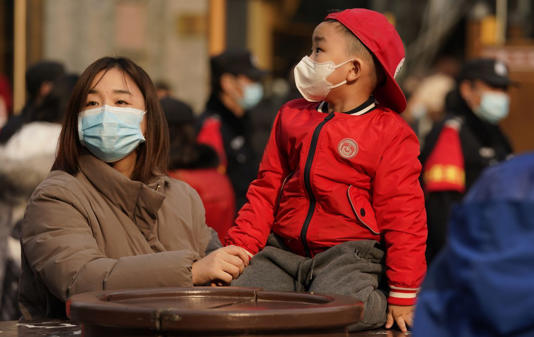
Hospitals across northern China are facing unprecedented pressure as a surge in cases of Human Metapneumovirus (HMPV) overwhelms healthcare systems. The virus, which causes flu-like symptoms, has led to overcrowded emergency rooms and intensive care units, reminiscent of the early days of the COVID-19 pandemic.

HMPV, a respiratory virus discovered in 2001, typically causes mild symptoms such as cough, fever, and congestion. However, this winter has seen a significant spike in infections, particularly among children and the elderly. Health authorities are implementing emergency measures to manage the outbreak, but the sheer volume of cases is straining resources.

The Chinese Center for Disease Control and Prevention (CDC) has reported that while the virus is not new, the current outbreak is more severe than usual. Officials are urging the public to take precautions such as frequent handwashing, wearing masks, and avoiding close contact with sick individuals.

Despite the challenges, experts remain optimistic that the situation can be managed with coordinated efforts and public cooperation. The global community is closely monitoring the situation, hoping to prevent a repeat of the widespread impact seen during the COVID-19 pandemic.

As the world watches, the resilience of China's healthcare system and the effectiveness of its response will be put to the test once again.


Comments