
Featured

Sept 15 Tariff Shift: What's Actually Changing on Canadian Goods (And What Isn't)

  Published September 12, 2026 At 12:01 a.m. ET on Tuesday, September 15, a new round of U.S. tariff changes takes effect on Canadian goods. If you've seen headlines calling this a "new 50% tariff on Canadian steel, aluminum and paper," here's the more accurate story: it isn't a new tariff at all. It's the U.S. reshuffling which products fall under a 50% tariff that's already been in place since August 22 — adding some categories, removing others, on the same day. Here's what's actually happening, and why it matters more to Canadian manufacturers and cross-border shoppers than to your everyday grocery bill. The tariff this modifies Back on August 22, 2026, the U.S. imposed a 50% tariff under Section 338 of the Tariff Act of 1930 on roughly $20 billion CAD of Canadian goods. The White House framed it as retaliation for Canadian "discrimination" against U.S. alcoholic beverages, dairy, and motor vehicles — three separate proclamations, eac...
article

Aid Blockade Intensifies Ceasefire Standoff Between Israel and Hamas

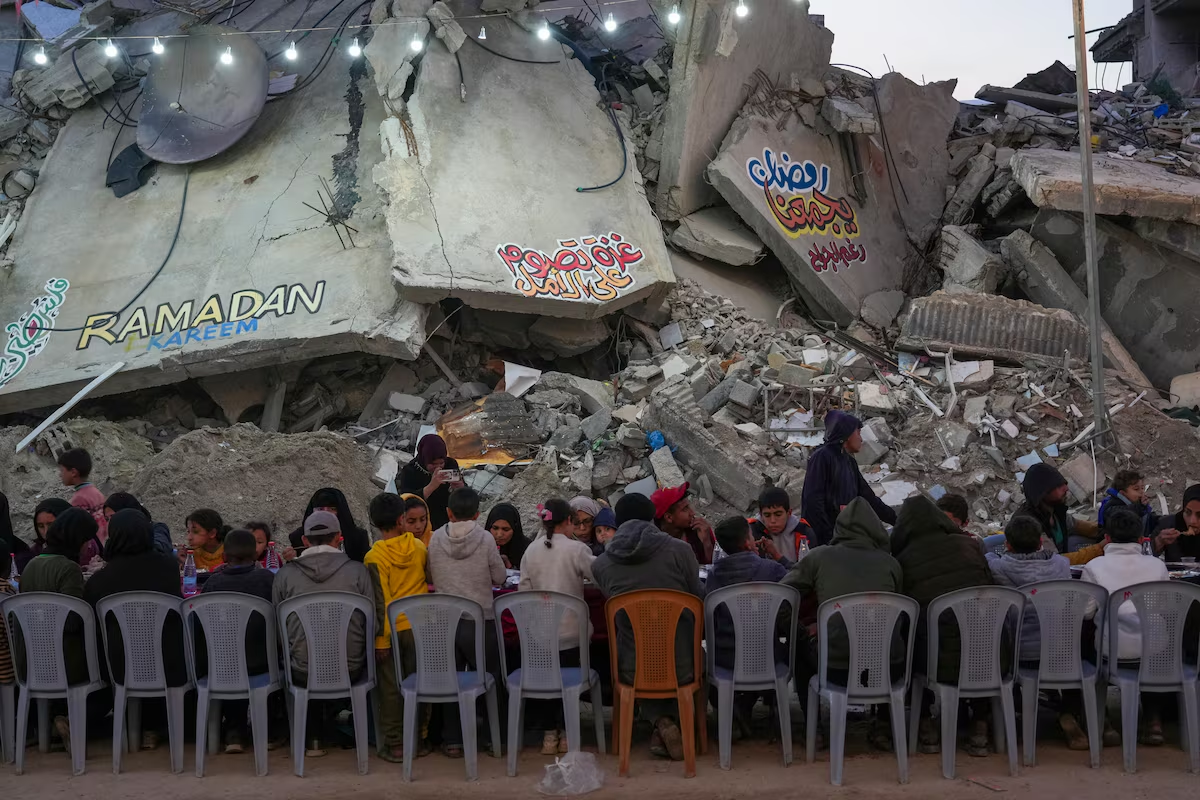
In a significant escalation of tensions, Israel has halted the entry of all goods and supplies into the Gaza Strip, aiming to pressure Hamas into accepting a new ceasefire proposal. This move comes as the first phase of a fragile ceasefire expired, leaving both sides at an impasse over the terms of a potential extension.

The Israeli government, in coordination with U.S. Mideast envoy Steve Witkoff, proposed extending the ceasefire through Ramadan and Passover, which end on April 20. Under this plan, Hamas would release half of the remaining hostages on the first day, with the rest to follow upon reaching a permanent ceasefire agreement. However, Hamas has accused Israel of violating the truce and using aid as leverage, calling the blockade "cheap extortion" and a "war crime".

The first phase of the ceasefire, which began in January, saw a surge in humanitarian aid and the release of hostages on both sides. Yet, disputes over alleged violations marred the truce, with each side blaming the other for breaches. The blockade now threatens to exacerbate the humanitarian crisis in Gaza, where the population heavily relies on international aid for survival.

As negotiations stall, the international community watches closely, urging both parties to find a resolution that prioritizes peace and humanitarian needs. The situation remains precarious, with the potential for further escalation if an agreement is not reached soon.

Comments