
Featured

Ottawa May End U.S. Alcohol Bans to Dodge the Tariffs — What It Means for You

  August 10, 2026 · 6 min read With nine days left before the United States' 50% tariff on hundreds of Canadian goods is set to kick in, Ottawa appears willing to give up one of its most visible retaliation tools: the provincial bans on American beer, wine, and spirits. According to CBC News reporting from federal negotiators, Canada is prepared to end those bans, lift its retaliatory tariff on U.S.-made vehicles, and adjust how it allocates dairy import quotas — all in exchange for Washington dropping the looming 50% levy and easing existing duties on steel and aluminum. Talks have not produced a signed deal. Both sides have agreed to meet daily through August 19, and Canadian officials have reportedly told their American counterparts that the deadline is a real cliff: once the tariffs land, there's little political appetite left in Canada to keep negotiating. Whether that urgency produces an agreement in time is still an open question. What it means for you: Even if this dea...
article

Controversial Proposal: U.S. and Israel Eye Africa for Palestinian Resettlement


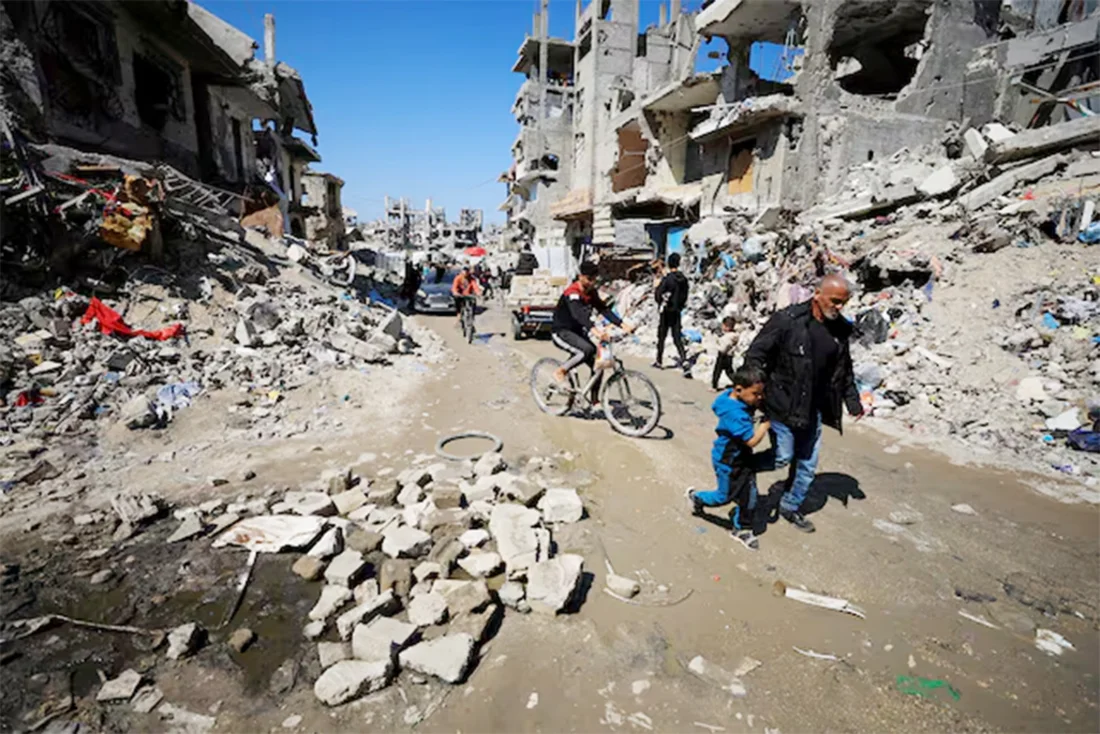
The United States and Israel have reportedly approached East African nations, including Sudan, Somalia, and Somaliland, to discuss the possibility of resettling Palestinians displaced from Gaza. This initiative is part of a broader postwar plan proposed by U.S. President Donald Trump, which envisions the permanent relocation of Gaza's over two million residents. The plan has sparked widespread condemnation, with critics raising legal and moral concerns.

While Israeli Prime Minister Benjamin Netanyahu has praised the proposal as a "bold vision," Palestinians and Arab nations have rejected it outright. Many view the plan as forced displacement disguised as voluntary migration, a move that could potentially constitute a war crime. Human rights groups and international observers have also expressed alarm, emphasizing the ethical implications of pressuring an entire population to leave their homeland.

The targeted African nations face their own challenges, including economic instability and ongoing conflicts, casting doubt on their suitability as resettlement destinations. Sudanese officials have already rejected the proposal, while Somali and Somaliland representatives have denied any formal discussions on the matter.

As the debate continues, the proposal underscores the complexities of addressing the humanitarian crisis in Gaza while navigating geopolitical interests and ethical considerations. The international community remains divided on the path forward, with alternative reconstruction plans being proposed to keep Palestinians in their homeland.

Comments