Featured

TSX Steadies After Bond Rout | Canadian Money Brief — May 19, 2026

  TSX Steadies After Bond Rout — But Iran Uncertainty Keeps a Lid on Gains Canadian equities attempt a cautious bounce this morning after last week's sharp sell-off. Oil near US$100 props up energy shares, while gold cools in Canadian-dollar terms and the loonie holds a fragile grip at 72–73 cents US. Canadian Money Brief  ·  moneysavings.ca  ·  May 19, 2026 TSX ~34,020 ▲ Recovering CAD/USD $0.727 → Flat WTI Oil ~US$100 ▲ Elevated Gold (CAD) ~$6,243/oz ▼ Pullback BoC Rate On Hold → Patient Overview Canadian markets opened cautiously higher this Tuesday after the S&P/TSX Composite suffered its worst single-session drop in weeks on Friday, closing at 33,833 — a decline of 1.27% — as a global bond-market selloff combined with stalled US–Iran negotiations hammered sentiment. Today's session opened around 34,027 , with the index trading in a tight range of roughly 33,745 to 34,175, suggesting investors are rebuilding positions but remain wary. The dominant story...

article

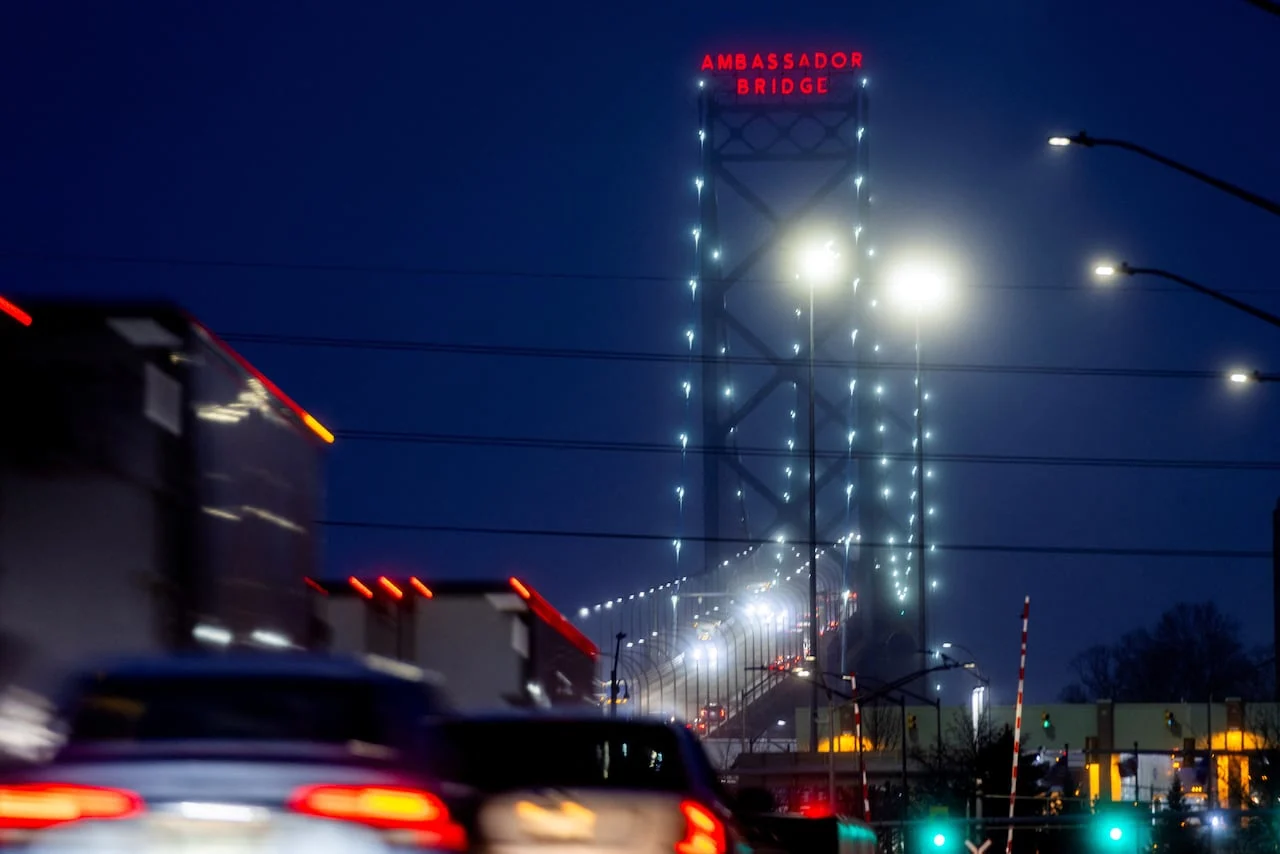
Trump's Tariff Tango: The Strain on U.S.-Canada Relations

The relationship between the United States and Canada, historically marked by mutual respect and cooperation, has taken a sharp turn under President Donald Trump's administration. The latest chapter in this strained dynamic is Trump's imposition of sweeping 25% tariffs on Canadian goods, citing concerns over illegal immigration and drug trafficking. While these issues are more pronounced at the U.S.-Mexico border, Canada has found itself caught in the crossfire.

The tariffs, which also include a 10% levy on Canadian energy exports, have sparked a trade war between the two nations. Canada has responded with its own counter-tariffs, targeting $30 billion worth of U.S. goods, with plans for additional measures. Prime Minister Justin Trudeau has vowed to stand firm, emphasizing the need to protect Canadian jobs and the economy.

For consumers, the impact is immediate and tangible. Prices for everyday goods, from groceries to construction materials, are expected to rise as businesses pass on the increased costs. Economists warn that these tariffs could lead to job losses, economic instability, and even a potential recession.

The broader implications are equally concerning. The tariffs threaten to unravel decades of free trade agreements and could set a precedent for future economic conflicts. As both nations brace for the fallout, the question remains: can this long-standing partnership withstand the strain?

Comments