Featured

U.S. Threatens Harsher Economic Pressure on Iran as Mediators Rush to Secure Second Ceasefire Talks

  A woman walks past a digital screen displaying news of US-Iran peace talks along a road in Islamabad on April 10, 2026 The United States has warned it will step up economic pressure on Iran while mediators race to arrange a second round of ceasefire talks before the fragile truce expires on April 22, 2026 — a standoff that risks higher oil prices, tighter global markets, and direct costs for Canadian households and investors.   Background and diplomatic timeline A two‑week ceasefire that paused nearly seven weeks of fighting was brokered to create a narrow diplomatic window for talks between Washington and Tehran. The first round of face‑to‑face negotiations in Islamabad lasted more than 20 hours but ended without an agreement, leaving the truce set to expire on April 22, 2026 unless mediators secure a follow‑up session.  Mediators led by Pakistan, with active roles from Turkey, Egypt and other regional actors, have been shuttling between capitals to bridge the remaini...

article

Canada Strikes Back: New Steel Import Limits Aim to Shield Domestic Industry

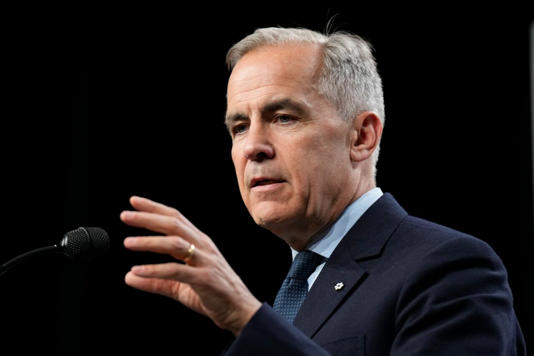
In a bold move to counter the economic strain caused by steep U.S. tariffs, Prime Minister Mark Carney announced new measures to protect Canada’s steel industry. The federal government will impose tariff rate quotas on foreign steel imports, particularly from countries without a free trade agreement with Canada, capping them at 2024 levels.

This decision comes in response to U.S. President Donald Trump’s recent hike in steel and aluminum tariffs—from 25% to a punishing 50%—which has led to a sharp decline in Canadian exports and mounting job losses. Carney emphasized that the new quotas are designed to make Canadian steel more competitive and prevent market destabilization caused by global overcapacity and unfair trade practices.

If ongoing trade negotiations with the U.S. fail to yield results by July 21, Canada is prepared to escalate its counter-tariffs on American steel and aluminum products. Additional measures include restricting federal procurement to Canadian and trusted trade partners, and launching task forces to monitor the steel and aluminum sectors.

Carney summed up the urgency: “We must reinforce our strength at home and safeguard Canadian workers and businesses from the unjust U.S. tariffs that exist at present”. The government’s swift action signals a firm stance in defending national industry amid turbulent trade relations.

Comments