
Gulf on Edge as UAE Oil Hub Blaze Fuels Iran–US Tensions
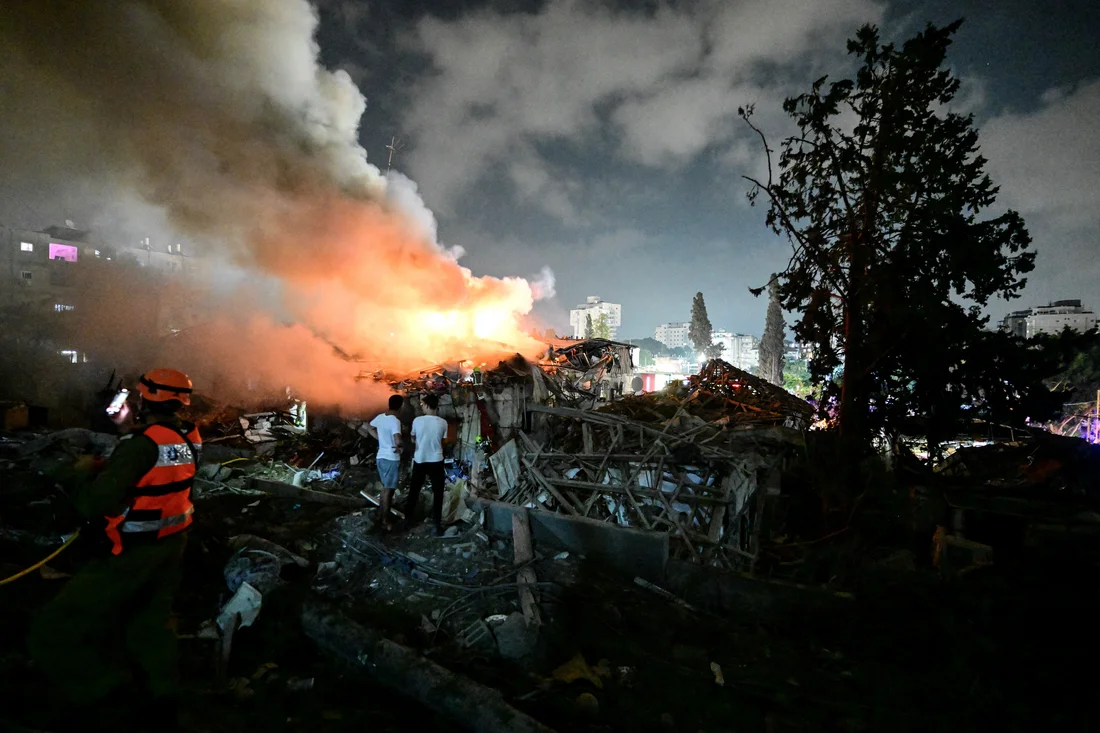
Smoke rises in the Fujairah oil industry zone, caused by debris after interception of a drone by air defences. A surge in regional tensions has followed a major fire at a UAE oil hub, sparked by debris from intercepted drones, as Iran vows retaliation for a recent U.S. strike on its Kharg Island oil facilities. The incident has intensified fears of broader conflict across the Gulf, with Iran warning that parts of the UAE could be considered legitimate targets. A significant fire erupted at a major oil hub in Fujairah, United Arab Emirates, after debris from intercepted drones fell onto the facility, disrupting operations and sending plumes of smoke across the region. The blaze occurred amid escalating hostilities following a U.S. strike on Iran’s Kharg Island—Tehran’s primary oil export terminal. Iran responded with sharp warnings, declaring that U.S. “hideouts” within the UAE could be targeted as legitimate military sites. The threat came as Iran continued missile and d...


Comments
Post a Comment