Featured

5 Things to Know Today: Oil Surges, Tariffs Land Tomorrow, Your Gas Tax Break Survives

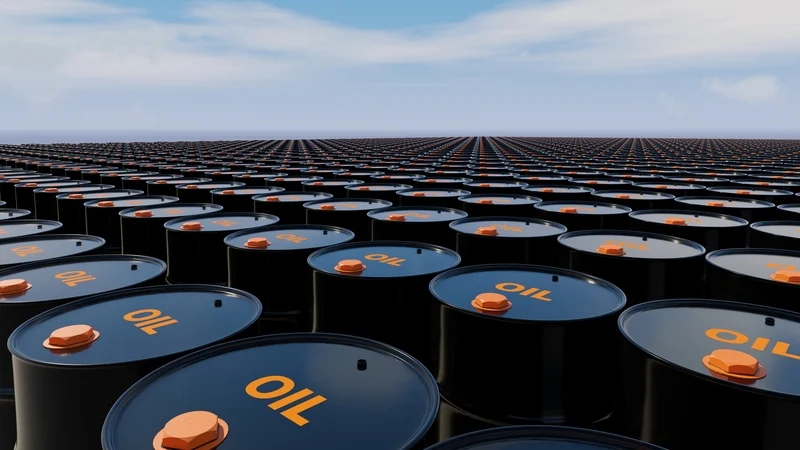
  Monday, September 7, 2026 — Labour Day | Canadian Money Brief Markets are closed for the holiday, but the week ahead is loaded. Here are five things worth knowing before you head back to your desk tomorrow. 1. Oil Hits a Five-Week High as the Iran Conflict Escalates Crude climbed to $92.06 US/barrel on Saturday — up 17.75% over the past month and nearly 48% year over year — after Iran and the United States exchanged missile strikes this week. Israel's defence minister has threatened "crippling" attacks on Iran's energy infrastructure, the EU has formally joined the US-led sanctions campaign, and US Vice President JD Vance said Washington won't hold peace talks until Iran stops targeting ships in the Strait of Hormuz. What it means for you: Even with the federal gas tax break extended (see #4), pump prices track the price of crude itself. If your tank's getting low, filling up early this week may beat whatever the Strait of Hormuz situation does to prices by...

article

Markets Surge as Iran-Israel Ceasefire Calms Global Tensions

Global markets rallied Tuesday morning following the announcement of a ceasefire between Iran and Israel, easing fears of prolonged conflict in the Middle East. U.S. President Donald Trump confirmed the truce via social media, stating, “THE CEASEFIRE IS NOW IN EFFECT. PLEASE DO NOT VIOLATE IT!”

The news sent global equities soaring, with Asia-Pacific shares outside Japan jumping over 2%, and European indices like the Stoxx 600 gaining 1.3%. U.S. futures also pointed higher, with Nasdaq futures up 1.3% and S&P 500 futures rising 1%.

Meanwhile, oil prices tumbled as concerns over supply disruptions through the Strait of Hormuz subsided. Brent crude dropped nearly 3% to around $69.40 a barrel, while West Texas Intermediate fell to $66.48. Analysts noted that the rapid de-escalation erased much of the risk premium built into oil prices over the past week.

The ceasefire follows a tense 12-day conflict that included U.S. strikes on Iranian nuclear facilities and a limited Iranian response. With both sides signaling a pause, investors shifted focus back to economic fundamentals and upcoming central bank decisions.

As geopolitical risk recedes, attention now turns to Federal Reserve Chair Jerome Powell’s testimony before Congress, where markets will be watching for clues on potential interest rate cuts later this year.

Comments