
Featured

Washington Presses Israel to Halt Strikes on Iran’s Energy Network

  Smoke rises in Sharjah, following reports of Iranian attacks after United States and Israel strikes on Iran, in Sharjah, United Arab Emirates, March 1, 2026. The United States has urged Israel to stop its ongoing attacks on Iran’s energy infrastructure, according to multiple reports citing senior U.S. and Israeli officials. Key Developments U.S. officials delivered the request at high political levels and directly to IDF Chief of Staff Eyal Zamir.  The Trump administration outlined several strategic concerns: A desire to maintain the possibility of future cooperation with Iran’s oil sector after the conflict. Fears that continued strikes could harm Iranian civilians.  Warnings that Iran might retaliate with large-scale attacks on Gulf energy infrastructure, a scenario described as a potential “doomsday option.”  Context The request marks a rare moment in which Washington is attempting to restrain Israeli military actions, despite the two nations having ...
article

Operation Midnight: U.S. Strikes Redefine Iran's Nuclear Trajectory

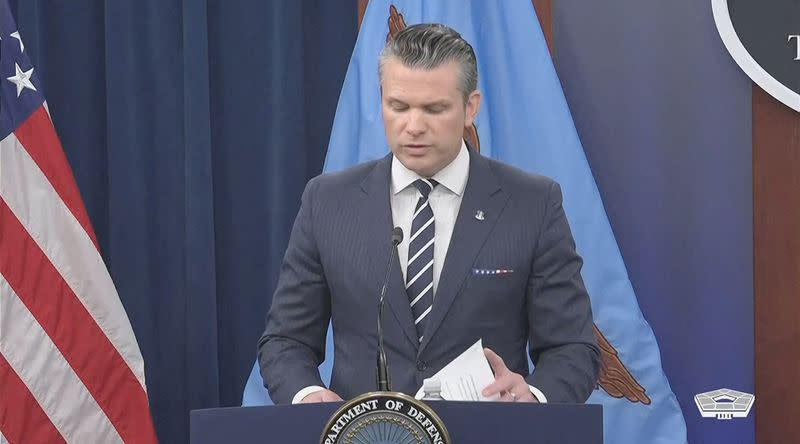
In a dramatic escalation of Middle East tensions, U.S. Defense Secretary Pete Hegseth announced that recent American military strikes have "obliterated" Iran’s nuclear ambitions. The operation, dubbed "Operation Midnight," involved a coordinated assault using 14 bunker-buster bombs, over two dozen Tomahawk missiles, and more than 125 military aircraft.

The strikes targeted three key Iranian nuclear facilities—Fordow, Natanz, and Isfahan—sites long suspected of housing uranium enrichment operations critical to Iran’s nuclear program. President Donald Trump declared the mission a “bold and brilliant” success, asserting that it restored American deterrence on the global stage.

Iran, however, has condemned the attacks as an act of war. Its Foreign Ministry warned of “everlasting consequences” and vowed to defend its sovereignty with full force. Despite the scale of the strikes, Iran’s Atomic Energy Organization claimed there were no signs of radioactive contamination and insisted its nuclear program would continue.

As the international community braces for potential retaliation, the UN’s nuclear watchdog has called an emergency meeting, and global leaders are urging restraint to prevent further escalation.

Comments