Featured

Mojtaba Khamenei: The Rise of Iran’s New Supreme Leader

                      A picture of Iran's new supreme leader, Mojtaba Khamenei, is displayed on a screen in Tehran Mojtaba Khamenei, 56, has emerged as Iran’s new supreme leader following the assassination of his father, Ayatollah Ali Khamenei, in joint U.S.–Israeli strikes. His appointment by the Assembly of Experts comes at a moment of profound crisis for Iran, as the country faces regional war, internal instability, and intense international scrutiny.  A Secretive Heir With Deep Establishment Ties Mojtaba, long considered influential behind the scenes, is a mid-ranking cleric with strong connections to the Islamic Revolutionary Guard Corps (IRGC). His political rise signals continuity of Iran’s hardline establishment, despite the country’s ideological discomfort with hereditary succession.  A Leader Shaped by Conflict and Loss His ascension comes amid the “Ramadan War,” during which he was reportedly wound...

article

Pentagon Clarifies Intent Behind Iran Strikes Amid Rising Tensions

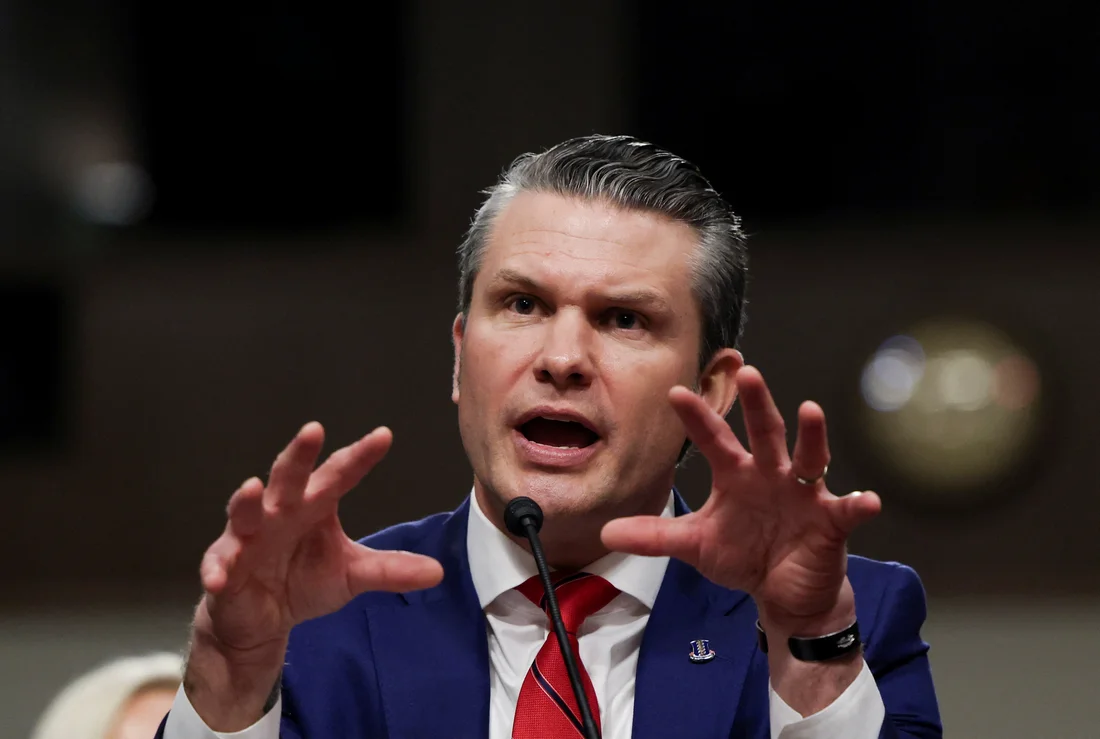
In a high-stakes moment for Middle East stability, U.S. Defense Secretary Pete Hegseth emphasized that recent American military strikes on Iranian nuclear facilities were not intended to trigger regime change. Speaking from the Pentagon, Hegseth stated the operation was a precision mission aimed at neutralizing threats posed by Iran’s nuclear program, not a broader political upheaval.

The operation, dubbed Operation Midnight, involved a formidable show of force: 14 bunker-buster bombs, over two dozen Tomahawk missiles, and more than 125 military aircraft. Initial assessments suggest severe damage to all three targeted sites.

Despite the scale of the attack, the U.S. has reportedly sent private messages to Tehran encouraging diplomatic engagement. Meanwhile, Iran has retaliated with missile strikes on Israel, injuring civilians and damaging infrastructure in Tel Aviv. However, it has so far held back from directly targeting U.S. forces or disrupting oil shipments through the Strait of Hormuz—a move that could escalate the conflict dramatically.

General Dan Caine confirmed that U.S. forces in the region remain on high alert, prepared to respond to any further Iranian retaliation or proxy attacks.

This development adds another layer of volatility to a region already strained by prolonged conflicts in Gaza, Lebanon, and Syria.

Comments