
Featured

CUSMA Review 2026: What Happens on July 1 — and What It Means for Your Wallet

The trade deal that governs nearly $1.3 trillion in Canada-U.S. commerce is up for review in less than a week. Here's what's at stake for Canadian families — and how to protect your budget whatever happens next. By MoneySavings.ca Staff  |   June 25, 2026 Canada Day is almost here — and this year, July 1 carries a lot more weight than fireworks and barbecues. On that same date, Canada, the United States, and Mexico are required to sit down for the first mandatory review of the Canada–United States–Mexico Agreement , known in Canada as CUSMA (and in the U.S. as the USMCA). The outcome of these talks will help shape the price of your groceries, your next car payment, Canadian jobs, and the overall cost of living for years to come. If you've heard the buzz but aren't sure what it all means for your household budget, you're in the right place. Here's your plain-language breakdown. What Is CUSMA — and Why Should You Care? CUSMA replaced the old NAFTA deal in 2020 an...
article

U.S.-China Trade Talks Continue in London Amid Rare Earths Dispute

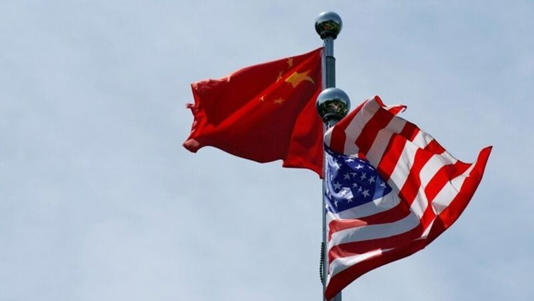
Trade negotiations between the United States and China resumed in London for a second day, with officials from both nations seeking a breakthrough on rare earth exports and broader trade tensions. The discussions follow a preliminary agreement reached in Geneva last month, which temporarily eased concerns over escalating tariffs but left unresolved issues regarding critical mineral supplies.  

China, which holds a near-monopoly on rare earth magnets essential for electric vehicle motors and other high-tech industries, imposed export restrictions in April, disrupting global supply chains. In response, the U.S. tightened controls on semiconductor exports, further straining relations between the two economic superpowers.  

Leading the U.S. delegation are Treasury Secretary Scott Bessent, Commerce Secretary Howard Lutnick, and Trade Representative Jamieson Greer, while China's team is headed by Vice Premier He Lifeng. Officials have expressed cautious optimism, with Lutnick stating that the talks are "going well" and that both sides are spending significant time together to resolve key disagreements.  

The outcome of these negotiations could have far-reaching implications for industries reliant on rare earth materials, including automotive, aerospace, and defense. Investors and manufacturers worldwide are closely monitoring developments, hoping for a resolution that stabilizes supply chains and mitigates economic uncertainty.  

Both delegations are expected to issue updates later today as discussions continue.

Comments