Featured

Diplomatic Overture: Lavrov Signals Willingness to Meet Rubio

                                                     Russian Foreign Minister Sergei Lavrov Russian Foreign Minister Sergey Lavrov has expressed readiness to meet with U.S. Senator Marco Rubio, signaling a potential opening for dialogue amid strained relations between Moscow and Washington. Lavrov’s statement comes at a time when geopolitical tensions remain high, with both nations navigating disagreements over security, sanctions, and global conflicts. While no formal agenda has been announced, the prospect of a meeting suggests that both sides may be exploring avenues to reduce friction and establish communication channels. Rubio, a senior Republican senator known for his strong stance on foreign policy, has frequently criticized Russia’s actions on the international stage. A meeting between the two figures could mark a rare...

article

U.S. Intelligence Disputes Trump’s “Total Obliteration” Claim on Iran Nuclear Sites

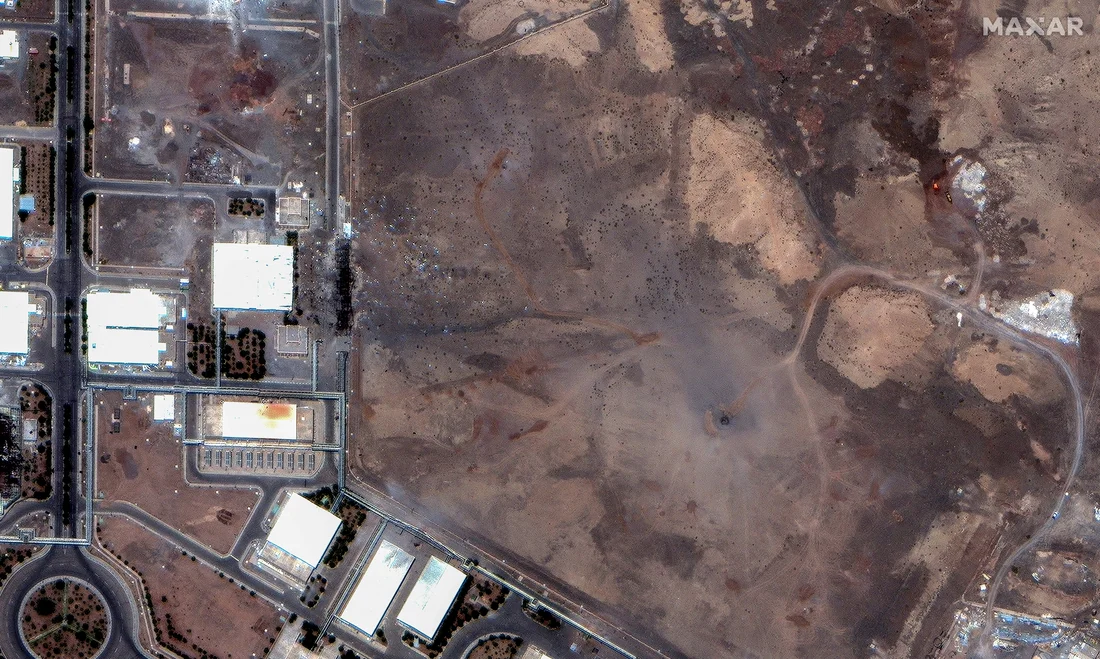
A newly surfaced U.S. intelligence assessment has cast doubt on former President Donald Trump’s assertion that recent American airstrikes “completely and totally obliterated” Iran’s nuclear infrastructure. According to sources familiar with the Defense Intelligence Agency’s (DIA) early findings, the strikes—though damaging—only set Iran’s nuclear program back by a few months.

The DIA report indicates that Iran had moved some of its enriched uranium stockpiles prior to the attacks, and that many of its centrifuges remain intact. While entrances to key facilities like Fordo were damaged, the underground infrastructure largely survived the assault.

Despite these findings, the White House has strongly rejected the assessment, calling it “flat-out wrong” and defending the mission as a “perfectly executed” operation. Trump has continued to insist that the strikes were a decisive blow, stating that Iran’s nuclear capabilities were “totally destroyed”.

The conflicting narratives have sparked renewed debate over the effectiveness of the strikes and the transparency of national security communications. As the region enters a fragile ceasefire, the true extent of the damage—and its implications for global nuclear diplomacy—remains under scrutiny.

Comments