Featured

Territorial Disputes Dominate Geneva Peace Talks

US President Donald Trump's son-in-law Jared Kushner, US Special Envoy Steve Witkoff, US Secretary of State Marco Rubio, US Army Secretary Daniel Driscoll sit before closed-door talks with Head of the Office of the President of Ukraine Andriy Yermak  (not pictured) on ending Russia's war in Ukraine, at the US Mission in Geneva, Switzerland. Negotiators from Russia and Ukraine convened in Geneva for a new round of U.S.-mediated peace talks, with territorial disputes emerging as the central point of contention. The discussions, held over two days, come amid heightened pressure from U.S. President Donald Trump, who has urged Kyiv to “come to the table fast” in pursuit of a settlement.  Both sides remain deeply divided over land claims, which have become the primary obstacle to progress. The Kremlin has signaled that territorial issues will dominate the agenda, while Ukrainian President Volodymyr Zelenskyy has voiced concerns that Kyiv is facing disproportionate p...

article

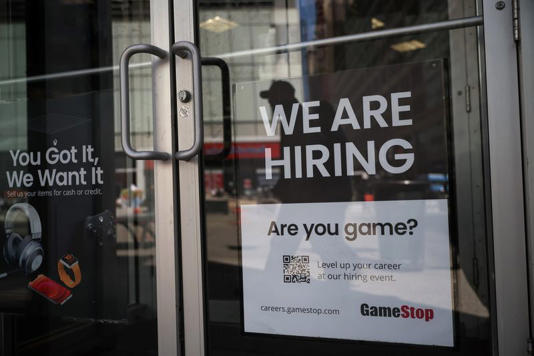
U.S. Job Growth Slows Amid Tariff Uncertainty, Unemployment Holds Steady

The U.S. labor market showed signs of cooling in May as businesses grappled with ongoing tariff uncertainty. According to the latest report from the Labor Department, nonfarm payrolls increased by 139,000 jobs, marking a slowdown from previous months. The unemployment rate remained unchanged at 4.2%, but a significant number of workers—625,000—dropped out of the labor force, reflecting waning confidence in job prospects.

Economists attribute the sluggish job growth to uncertainty surrounding President Trump's fluctuating tariff policies, which have made long-term planning difficult for businesses. The healthcare sector led job gains, adding 62,000 positions, while leisure and hospitality saw an increase of 48,000 jobs. However, manufacturing and retail sectors experienced job losses, with 8,000 fewer positions in machinery production.

Despite the slowdown, wage growth remained solid, with average hourly earnings rising by 0.4%, double the increase seen in April. This could provide some stability to the economy and influence the Federal Reserve’s decision on interest rates in the coming months.

As businesses navigate the uncertain trade landscape, economists warn that prolonged tariff instability could further dampen hiring trends. The coming months will be crucial in determining whether the labor market can maintain resilience amid economic headwinds.

Comments