In a dramatic turn of events, U.S. President Donald Trump announced that Israel has agreed to the “necessary conditions” for a 60-day ceasefire in Gaza, raising cautious optimism among war-weary civilians. The announcement follows what Trump described as a “long and productive” meeting between his representatives and Israeli officials, with mediators Qatar and Egypt expected to deliver the final proposal to Hamas.
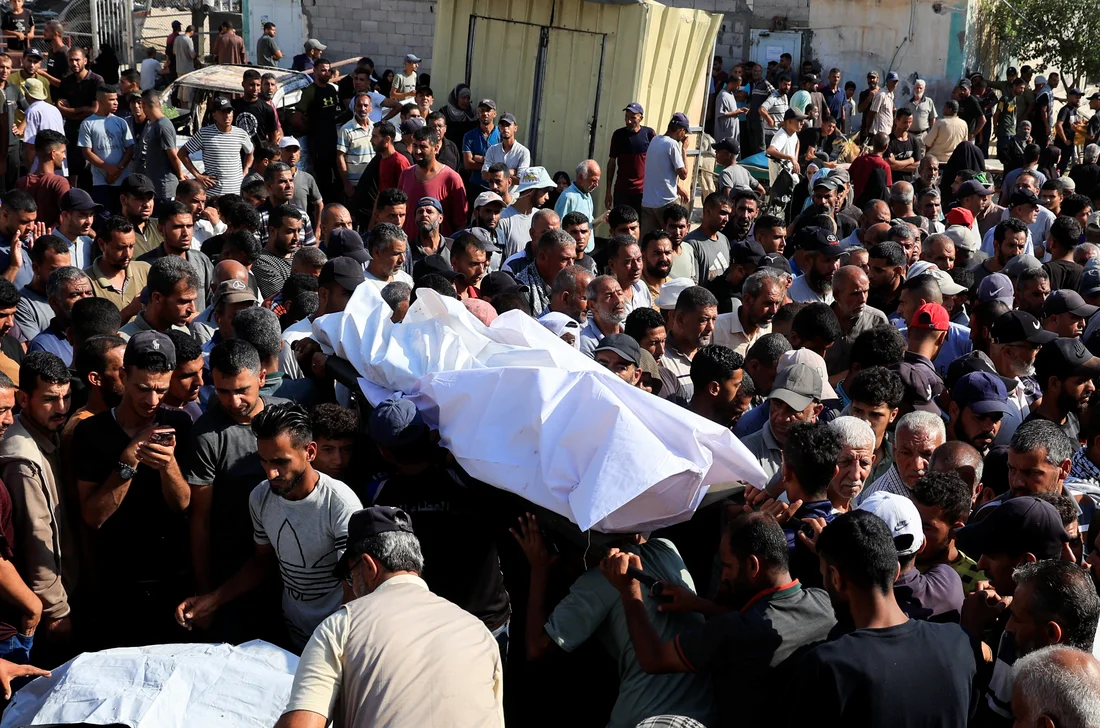
Despite the diplomatic momentum, **Israeli airstrikes continued across Gaza**, with reports of at least 43 Palestinians killed in the latest wave of attacks. The humanitarian toll remains staggering, as residents face starvation, displacement, and the collapse of medical infrastructure.
Trump’s statement, shared via social media, emphasized urgency: “Israel has agreed to the necessary conditions to finalize the 60 Day CEASEFIRE, during which time we will work with all parties to end the War.” He warned Hamas that the deal “will not get better — IT WILL ONLY GET WORSE” if rejected.
While Israeli officials have yet to issue a formal response, Foreign Minister Gideon Saar indicated that a majority within the coalition government would support a deal that includes the release of remaining hostages. Hamas has not officially commented, though sources suggest internal deliberations are underway.
New Development: Regional Diplomacy in Motion
In a related move, diplomatic sources revealed that Jordan and Saudi Arabia are preparing to host a joint summit aimed at reinforcing regional support for the ceasefire. The summit, tentatively scheduled for next week in Amman, will include representatives from Egypt, the UAE, and the European Union. The goal: to coordinate humanitarian aid and pressure both Israel and Hamas toward a permanent resolution.
As the world watches, the people of Gaza cling to the hope that this ceasefire—if realized—might finally offer a reprieve from nearly two years of relentless conflict.



Comments
Post a Comment