
Featured

U.S. Threatens Harsher Economic Pressure on Iran as Mediators Rush to Secure Second Ceasefire Talks

  A woman walks past a digital screen displaying news of US-Iran peace talks along a road in Islamabad on April 10, 2026 The United States has warned it will step up economic pressure on Iran while mediators race to arrange a second round of ceasefire talks before the fragile truce expires on April 22, 2026 — a standoff that risks higher oil prices, tighter global markets, and direct costs for Canadian households and investors.   Background and diplomatic timeline A two‑week ceasefire that paused nearly seven weeks of fighting was brokered to create a narrow diplomatic window for talks between Washington and Tehran. The first round of face‑to‑face negotiations in Islamabad lasted more than 20 hours but ended without an agreement, leaving the truce set to expire on April 22, 2026 unless mediators secure a follow‑up session.  Mediators led by Pakistan, with active roles from Turkey, Egypt and other regional actors, have been shuttling between capitals to bridge the remaini...
article

Trump’s Strategic Shift: Arms for Ukraine, Sanctions for Russia’s Oil Trade

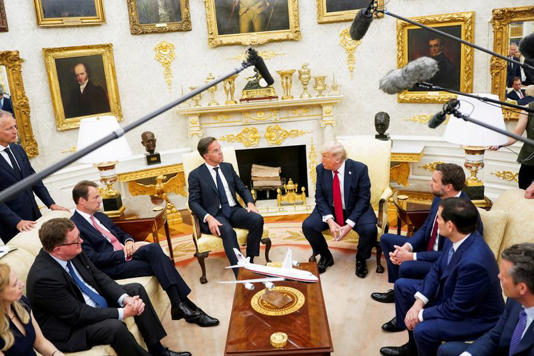
In a dramatic pivot from previous policy, U.S. President Donald Trump announced a sweeping new initiative to arm Ukraine with advanced weaponry while threatening sanctions on nations that continue purchasing Russian oil. The announcement, made during a press conference with NATO Secretary General Mark Rutte, marks a significant escalation in Washington’s stance toward Moscow amid ongoing conflict in Eastern Europe.

Trump revealed that billions of dollars in U.S.-made weapons—including Patriot air defense missile systems—would be supplied to Ukraine via NATO allies, who would foot the bill. “We’re going to make top-of-the-line weapons, and they’ll be sent to NATO,” Trump said, emphasizing that the delivery would begin within days.

The president also issued a 50-day ultimatum to Russia: agree to a peace deal or face “secondary tariffs” and sanctions targeting countries that buy Russian exports. These measures could include up to 100% tariffs on Russian goods and penalties for nations such as China and India, which have continued energy trade with Moscow despite Western pressure.

The move comes after months of diplomatic overtures from Trump to Russian President Vladimir Putin, which have failed to yield a ceasefire. Frustrated by continued drone and missile attacks on Ukrainian cities, Trump’s tone has hardened. “I don’t want to say he’s an assassin, but he’s a tough guy,” Trump said of Putin, adding that peace talks had repeatedly collapsed due to renewed Russian aggression.

Ukrainian President Volodymyr Zelenskyy welcomed the announcement, noting discussions with Trump’s envoy focused on strengthening air defenses and joint weapons production with Europe. However, some in Kyiv remain cautious, questioning whether Trump’s shift will translate into sustained support.

With bipartisan backing in Congress for even harsher sanctions, including a proposed 500% tariff on nations aiding Russia, Trump’s next steps could reshape global energy markets and redefine the West’s approach to ending the war.

Comments