
Featured

Gulf on Edge as UAE Oil Hub Blaze Fuels Iran–US Tensions

  Smoke rises in the Fujairah oil industry zone, caused by debris after interception of a drone by air defences. A surge in regional tensions has followed a major fire at a UAE oil hub, sparked by debris from intercepted drones, as Iran vows retaliation for a recent U.S. strike on its Kharg Island oil facilities. The incident has intensified fears of broader conflict across the Gulf, with Iran warning that parts of the UAE could be considered legitimate targets.  A significant fire erupted at a major oil hub in Fujairah, United Arab Emirates, after debris from intercepted drones fell onto the facility, disrupting operations and sending plumes of smoke across the region. The blaze occurred amid escalating hostilities following a U.S. strike on Iran’s Kharg Island—Tehran’s primary oil export terminal. Iran responded with sharp warnings, declaring that U.S. “hideouts” within the UAE could be targeted as legitimate military sites. The threat came as Iran continued missile and d...
article

U.S. to Notify Countries of New Tariff Rates Amid Shift in Trade Strategy

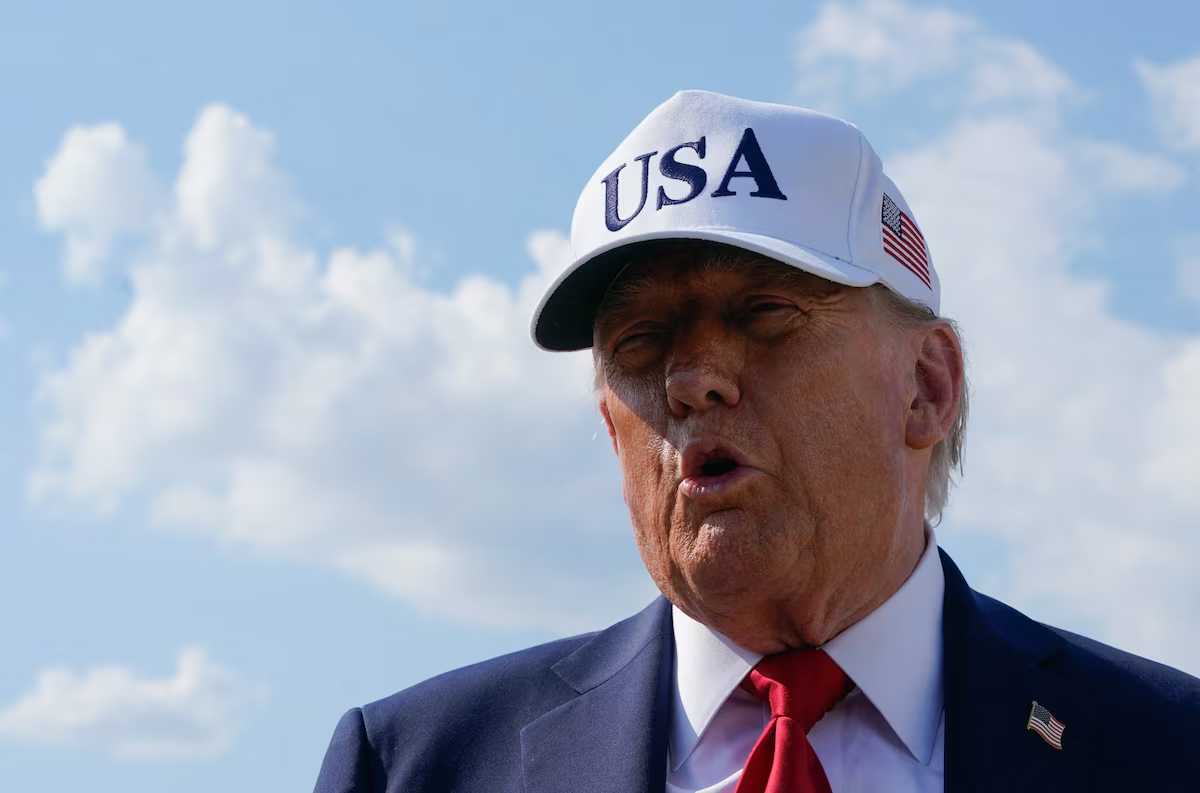
The United States is set to begin sending formal letters to trading partners on Friday, outlining new tariff rates that could range from 10% to as high as 70%, according to President Donald Trump. This move marks a significant shift from the administration’s earlier approach of negotiating individual trade deals with dozens of countries.

Speaking to reporters, Trump emphasized the simplicity of this new strategy: “We have more than 170 countries, and how many deals can you make? I’d rather send out a letter saying this is what you’re going to pay”. The letters, expected to be sent in batches of 10 to 12 per day, will inform countries of the tariffs they will face starting August 1.

The decision comes ahead of a self-imposed July 9 deadline for finalizing trade agreements. While deals have been reached with the United Kingdom and Vietnam, negotiations with other major partners like Japan, India, and the European Union remain ongoing.

Treasury Secretary Scott Bessent noted that around 100 countries are likely to receive a 10% reciprocal tariff rate, while others could face significantly higher duties if no agreements are reached.

This bold move is expected to have ripple effects across global markets and could reshape the landscape of international trade in the months ahead.

Comments