
Canadian Money Brief | October 19, 2026 CFB Wainwright Fire: What We Know and How to Help Without Getting Scammed Four Canadian soldiers are dead and 39 people were hurt after a grass fire overtook a live-fire training exercise in Alberta. When tragedy hits, Canadians want to help. Scammers know it. What happened On Saturday, October 17, a fire ignited in a training area at Canadian Forces Base Wainwright, about 200 km southeast of Edmonton. Officials say it began as a grass fire during training that included grenades and live ammunition. Military leaders said the fire was known to range control for hours and was believed to be contained enough for training to continue. Then the wind turned. Reporting from Al Jazeera and ABC News describes gusts jumping from about 50 km/h to as high as 96 km/h, pushing the flames toward soldiers and their administrative area. Defence officials said 84 members of the Princess Patricia's Canadian Light Infantry were in the training area. Four servi...
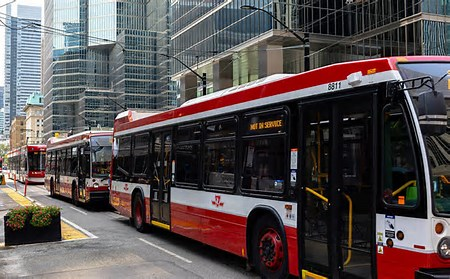
The Ontario government is keeping costs down for public transit riders with the launch of the “One Fare” program, which will save riders an average of $1,600 each year. Beginning February 26, 2024, riders will pay only once as they transfer for free between the TTC and participating transit agencies in the Greater Toronto Area, including GO Transit.
The One Fare program, announced earlier this year, allows passengers to transfer between a number of different transit systems in Ontario but only pay once. Under this program, commuters can transfer between the TTC and GO Transit, as well as regional transit systems like Brampton Transit, Durham Region Transit, MiWay, and York Region Transit.
How Does It Work?
- When transferring between the TTC and GO Transit, your TTC fare will be free.
- When you transfer between the TTC and other local transit systems, your second fare will be free.
- Simply tap your PRESTO card to automatically receive the discount. It’s akin to the free two-hour transfers already in effect on the TTC.
- Your transfer remains valid for two hours if you start your trip on a local transit system or three hours for trips originating on GO Transit.
Even if you forget your PRESTO card, the One Fare program has got you covered. Passengers can still benefit when paying using credit or debit. For frequent commuters, this program could save an average of $1,600 annually—a welcome change for many Toronto residents.
The introduction of the One Fare program aligns with Metrolinx’s long-term strategy for sustainability and improved public transit service in the province. As Toronto navigates this fare revolution, commuters can breathe a sigh of relief—and perhaps even pocket some extra change for their morning coffee.


Comments
Post a Comment