Featured

5 Things to Know Today: Canada Enters Recession, Oil Slips on Iran Ceasefire Talk

Saturday, May 30, 2026 — Your quick-hit Canadian financial briefing for the day. 1.Canada Officially Meets the Definition of a Technical Recession Statistics Canada confirmed Friday that real GDP contracted 0.1% on an annualized basis in Q1 2026 — following a revised 1.0% drop in Q4 2025 . That's two straight quarters of negative growth, which meets the technical definition of a recession. The miss was a big one: economists had forecast growth of 1.5% . The main culprits were a surge in imports (up 2.9%, largely gold), declining business capital investment (down 0.7% — its fifth consecutive quarterly drop ), and weakness in resource extraction and construction. On a per-capita basis, GDP actually edged up 0.2% as Canada's population shrank for the second quarter in a row. Not everyone is ready to call it a full recession: some economists note that three of the four weak months were isolated, and early April data points to a sharp 0.4% rebound . Still, the numbers ...

article

Delta Airlines Increases Checked-Baggage Fees by 17%


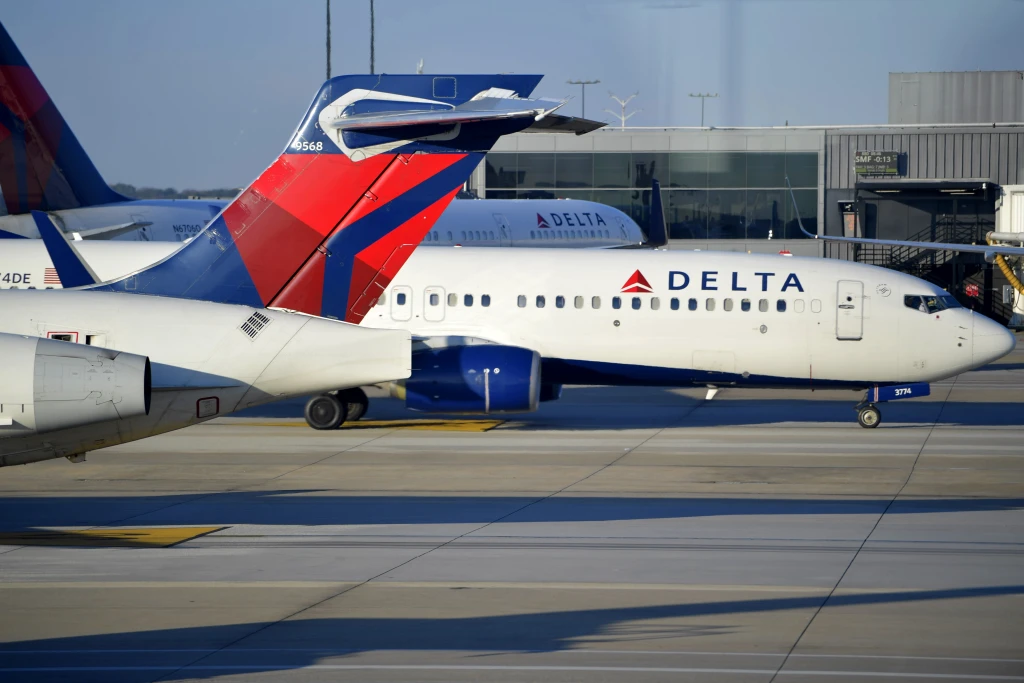
In a move that may prompt travelers to reconsider their packing strategies, Delta Airlines has just raised the cost of checking your first bag by 17%. The previous fee of $30 for domestic flights now increases by $5, bringing it to $35. Additionally, the charge for a second checked bag has risen from $40 to $45.

Delta’s decision follows similar fee hikes by other major U.S. carriers. Both American Airlines and United Airlines announced their own increases in February, and smaller carriers like Alaska Airlines and JetBlue Airways have also adjusted their fees recently. This trend of carriers adjusting their pricing in response to one another is often referred to as “herd instinct” by behavior analysts.

While passengers with status perks can still check their first bag for free, and those with first-class tickets can check two bags without charge, the majority of travelers will feel the impact of these fee adjustments. Baggage fees have become a reliable source of revenue for airlines, especially since their introduction in 2008 when jet fuel prices were soaring. In 2022, U.S. airlines collectively earned $6.8 billion from checked-bag fees, with American and United leading the way at $1.4 billion and $1.1 billion, respectively. Delta followed closely in third place with $979.4 million.

As travelers prepare for their next flights, it’s essential to stay informed about these changes and consider how they might affect travel budgets. Whether you’re a seasoned flyer or a first-time traveler, keep an eye on those baggage fees—they’re more significant than ever.


Comments