Featured

Wall Street Sinks as Tariff Jitters and AI Volatility Rattle Investors

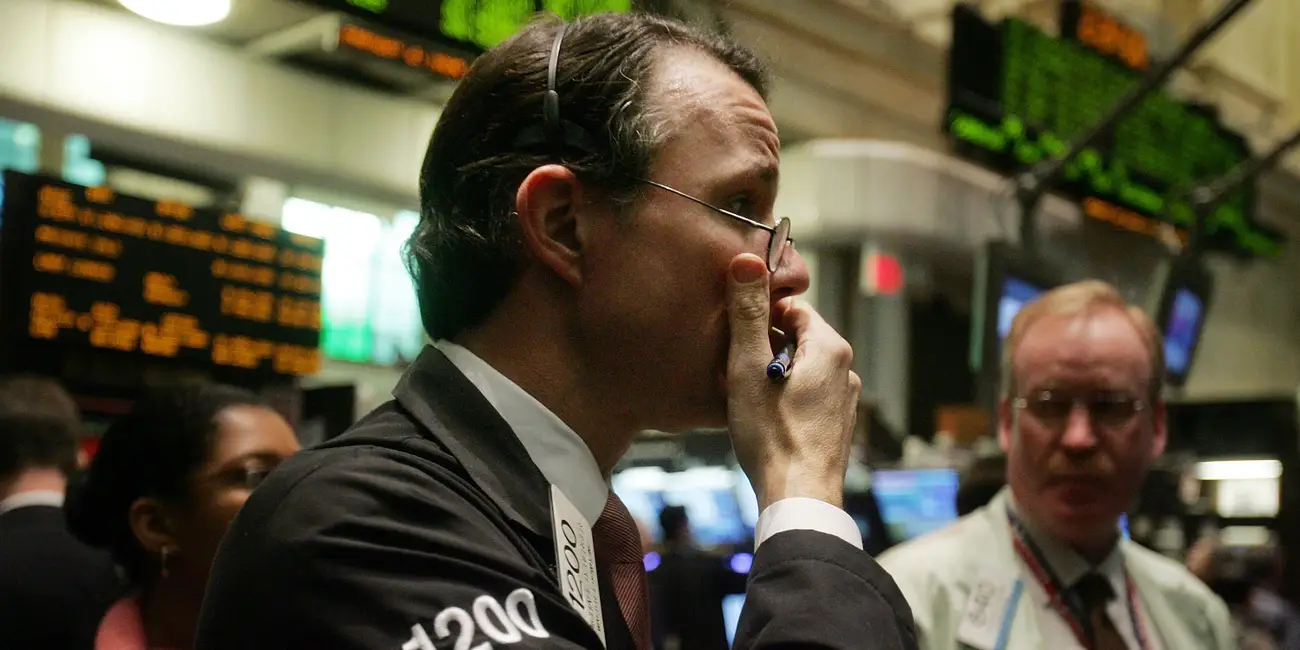
U.S. stocks tumbled in a broad sell‑off today, with the Dow Jones Industrial Average plunging roughly 800 points as renewed tariff concerns and a wave of AI‑related volatility shook market confidence. The S&P 500 and Nasdaq also slid sharply, extending a week of choppy trading driven by political uncertainty and rapid shifts in tech sentiment. Investors reacted to escalating fears that new tariff measures proposed by President Trump could disrupt global supply chains and pressure corporate earnings. Tech stocks—already sensitive to policy shifts—were hit particularly hard as traders unwound positions tied to what analysts have dubbed the “AI scare trade,” a fast‑moving rotation away from high‑growth names. Market strategists noted that the combination of geopolitical tension, policy ambiguity, and stretched valuations created a perfect storm for a sharp pullback. Still, some analysts argue that the downturn reflects a recalibration rather than a fundamental shift, pointing out t...

article

Stock Market Reacts to Surprising Inflation Data


In a surprising turn of events, the stock market experienced a significant downturn as recent inflation data came in unexpectedly high. The Consumer Price Index (CPI) rose by 0.4% over the previous month and 3.5% over the prior year in March, surpassing the anticipated figures. This acceleration from February’s 3.2% annual gain in prices has dampened hopes for imminent interest rate cuts.

As a result, major stock indices fell sharply. The Dow Jones Industrial Average dropped by approximately 1.1%, while the S&P 500 and the tech-heavy Nasdaq Composite saw declines of nearly 1% and 0.9%, respectively. Concurrently, bond yields soared, with the 10-year Treasury yield reaching its highest level since November at nearly 4.57%.

This market reaction reflects investors’ recalibrated expectations, with many now betting on the Federal Reserve maintaining current rate levels through June and possibly July, pushing the likelihood of an initial rate cut to September. The latest Federal Reserve policy meeting minutes revealed that officials are open to lowering interest rates “at some point,” but the timing remains uncertain.

Amidst these developments, crude oil futures rebounded following reports of potential conflict escalation in the Middle East, which could further impact market dynamics. The situation remains fluid, with investors closely monitoring the interplay between inflation trends and central bank policies.


Comments