Featured

Weekly Market Snapshot: Yields at Multi-Decade Highs, Oil Eases on Hormuz Hopes — Week of Sept. 22–26, 2026

Week of September 22–26, 2026 It was a week of two forces tugging in opposite directions. Bond yields surged to levels not seen since 2004–2007, driven by resilient US economic data, hawkish Fed signals, and oil-driven inflation fears — putting pressure on equities and the Canadian dollar. Then, late in the week, reports emerged that US and Iranian negotiators were exploring a phased deal to reopen the Strait of Hormuz. Oil pulled back sharply Friday, yields stabilized, and markets found enough relief to post a partial recovery. The TSX finished the week slightly lower but well off its worst levels, while US indices managed a weekly gain. 🍁 Canada — TSX & the Loonie The S&P/TSX Composite entered the week near 35,800 and, after a volatile ride, closed Friday around the same level — giving up roughly 0.3% on the week. Mid-week selling was driven by the same forces pressuring global markets: surging US Treasury yields, a rising oil-inflation premium, and investor nervousness ahea...

article

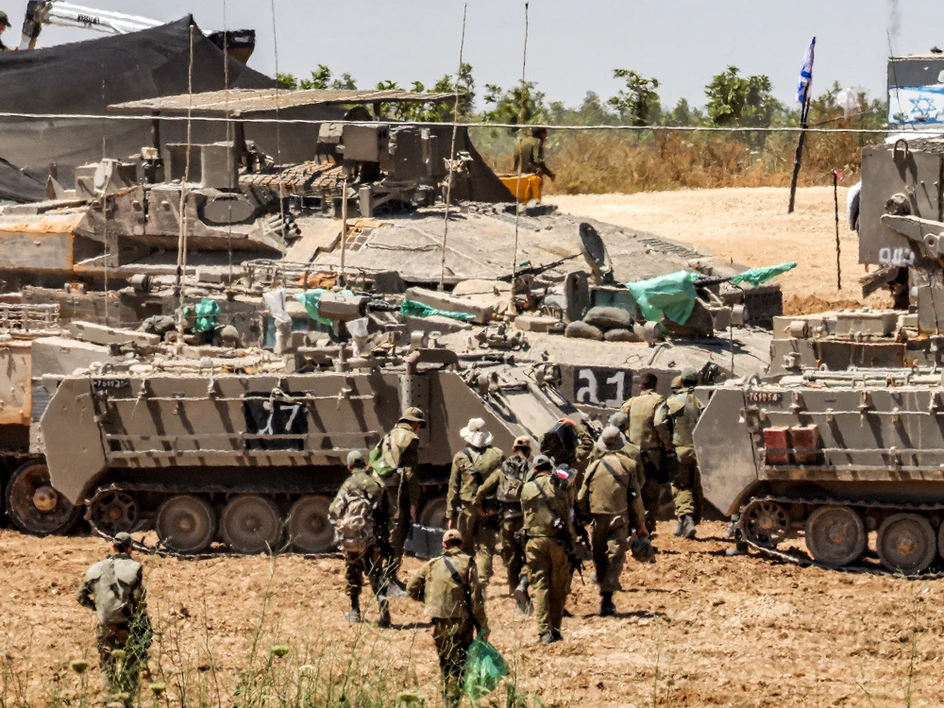
Israel Reopens Key Crossing for Aid to Enter Gaza After U.S. Pauses Weapons Shipment


In a significant development, Israel has reopened the Kerem Shalom crossing into Gaza, a crucial terminal for the entry of humanitarian aid. The crossing had been closed over the weekend following a Hamas rocket attack that tragically killed four Israeli soldiers nearby. Here are the key points:

  1. Background:

    • The Kerem Shalom crossing serves as a lifeline for humanitarian aid entering Gaza.
    • The recent rocket attack prompted its closure, but Israel has now reopened it.
  2. Rafah Crossing and Tensions:

    • Israel also seized the nearby Rafah crossing between Gaza and Egypt, which remains closed.
    • The limited incursion into Rafah does not signal a full-scale invasion of the city, but tensions remain high.
    • The situation highlights the growing rift between Israel and the United States, its main backer.
  3. U.S. Involvement:

    • The U.S. recently paused a shipment of bombs to Israel due to concerns about a potential full-scale assault on Rafah.
    • Efforts are underway to negotiate a temporary ceasefire and the release of Israeli hostages held by Hamas.
  4. Humanitarian Aid and Control:

    • The Rafah crossing is vital for humanitarian aid and the movement of people.
    • Israel now controls all of Gaza’s border crossings for the first time in nearly two decades, cooperating with Egypt on maintaining a blockade.
  5. Ongoing Challenges:

    • Sporadic explosions and gunfire have been reported near the Rafah crossing.
    • Patients and wounded individuals scheduled for medical treatment have been left stranded.
  6. Hope Amidst Tensions:

    • UN agencies and aid groups continue their efforts to provide humanitarian assistance.
    • The situation remains complex, with both humanitarian needs and security concerns at play.

As the situation unfolds, the fate of civilians caught in the conflict hangs in the balance. The reopening of the Kerem Shalom crossing offers a glimmer of hope, but challenges persist. 


Comments